

Why Your Water Pressure Drops in Spring: Longmont Plumbing Causes

In This Article
- 1Quick Answer: Why Does Water Pressure Drop in Spring?
- 2Why Spring Reveals Hidden Plumbing Problems
- 3Hidden Leaks That Developed Over Winter
- 4Sediment and Mineral Buildup in Fixtures
- 5Pressure Regulator and Valve Problems
- 6What Longmont Homeowners Can Check First
- 7When Low Water Pressure Needs a Professional Plumber
- 8Why Longmont Homeowners Trust Mayer Plumbing for Water Pressure Issues
- 9Frequently Asked Questions About Low Water Pressure
- 10Get Your Water Pressure Back to Normal
If you've noticed weaker water pressure in your Longmont home as spring arrives, you're not alone. Many homeowners experience frustrating drops in water pressure during this seasonal transition, and there are several plumbing-related reasons why. From hidden leaks that developed during winter freezes to sediment buildup and failing pressure regulators, spring has a way of revealing problems that have been lurking in your plumbing system.
Understanding what causes low water pressure in spring can help you identify whether you're dealing with a simple fix or a problem that needs professional attention. Our team at Mayer Plumbing has helped countless Longmont homeowners diagnose and resolve spring water pressure issues, and we're here to explain the most common culprits behind this seasonal plumbing frustration.
Quick Answer: Why Does Water Pressure Drop in Spring?
Water pressure typically drops in spring due to damage from winter freezing and thawing cycles that create small leaks, sediment and mineral deposits that accumulate in pipes and fixtures over winter, pressure regulators that fail after working harder during cold months, and increased neighborhood water usage as outdoor irrigation systems start up again. Spring temperatures also cause pipes to expand and contract, which can loosen connections and reveal weaknesses in your plumbing system that weren't noticeable during winter.
Most spring pressure drops affect either a single fixture (indicating a localized problem like a clogged aerator) or your entire home (suggesting issues with your main water line, pressure regulator, or a significant leak). Identifying which fixtures are affected is the first step in diagnosing the root cause.
Why Spring Reveals Hidden Plumbing Problems
Spring is a particularly challenging time for plumbing systems in Longmont, CO because of the dramatic temperature swings we experience. When winter transitions to spring, your pipes go through repeated freeze-thaw cycles that stress connections, joints, and the pipes themselves. Water expands when it freezes, putting pressure on pipe walls and fittings, then contracts again as temperatures rise.
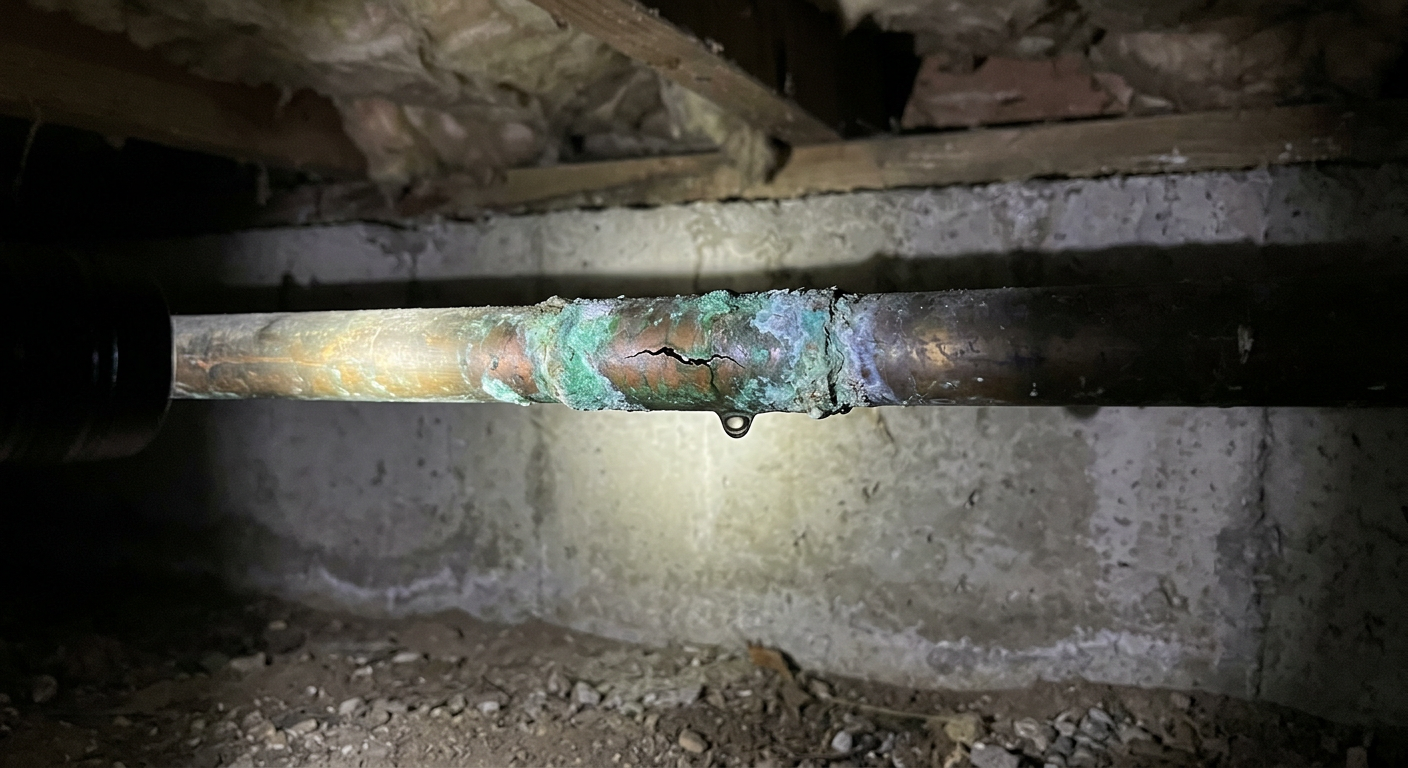
These cycles can create hairline cracks or loosen connections that were previously solid. You might not notice these small failures immediately because they start as tiny drips or seeps. However, as water escapes through these compromised areas, your overall system pressure gradually decreases. What began as a minor issue in January or February often becomes noticeable by April when you're trying to water your lawn or take a decent shower.
Additionally, spring brings increased water demand throughout Longmont neighborhoods as people begin outdoor watering, filling pools, and washing cars. This higher demand can expose weaknesses in your home's plumbing that weren't apparent during winter's lower usage periods. If your system was already borderline, the added spring activity can push it over the edge into noticeable low pressure.
Hidden Leaks That Developed Over Winter
One of the most common causes of spring water pressure loss is leaks that developed during winter but went undetected until warmer weather arrived. These leaks often occur in crawl spaces, basements, behind walls, or in outdoor piping where you wouldn't routinely notice them. A pipe that cracked during a hard freeze in January might only drip occasionally at first, but as temperatures warm and water usage increases, that drip can become a steady leak.
Even a small leak can significantly impact your water pressure because it's essentially creating an unintended exit point for water that should be flowing to your fixtures. If you have a half-inch crack in a supply line, hundreds of gallons could be escaping each day, reducing the pressure available at your faucets and showerheads. Look for signs like unexplained wet spots on walls or ceilings, musty odors in enclosed spaces, or a water bill that's higher than usual despite no change in your habits.
Outdoor spigots and hose bibs are particularly vulnerable to winter damage in Longmont. If these weren't properly winterized last fall, ice formation inside the valve can crack the fitting or the pipe behind it. You might not discover this until you turn on the outdoor faucet in spring and notice either poor flow or water leaking from behind the siding. Our team frequently responds to calls about outdoor faucet leaks in March and April for exactly this reason.
Sediment and Mineral Buildup in Fixtures
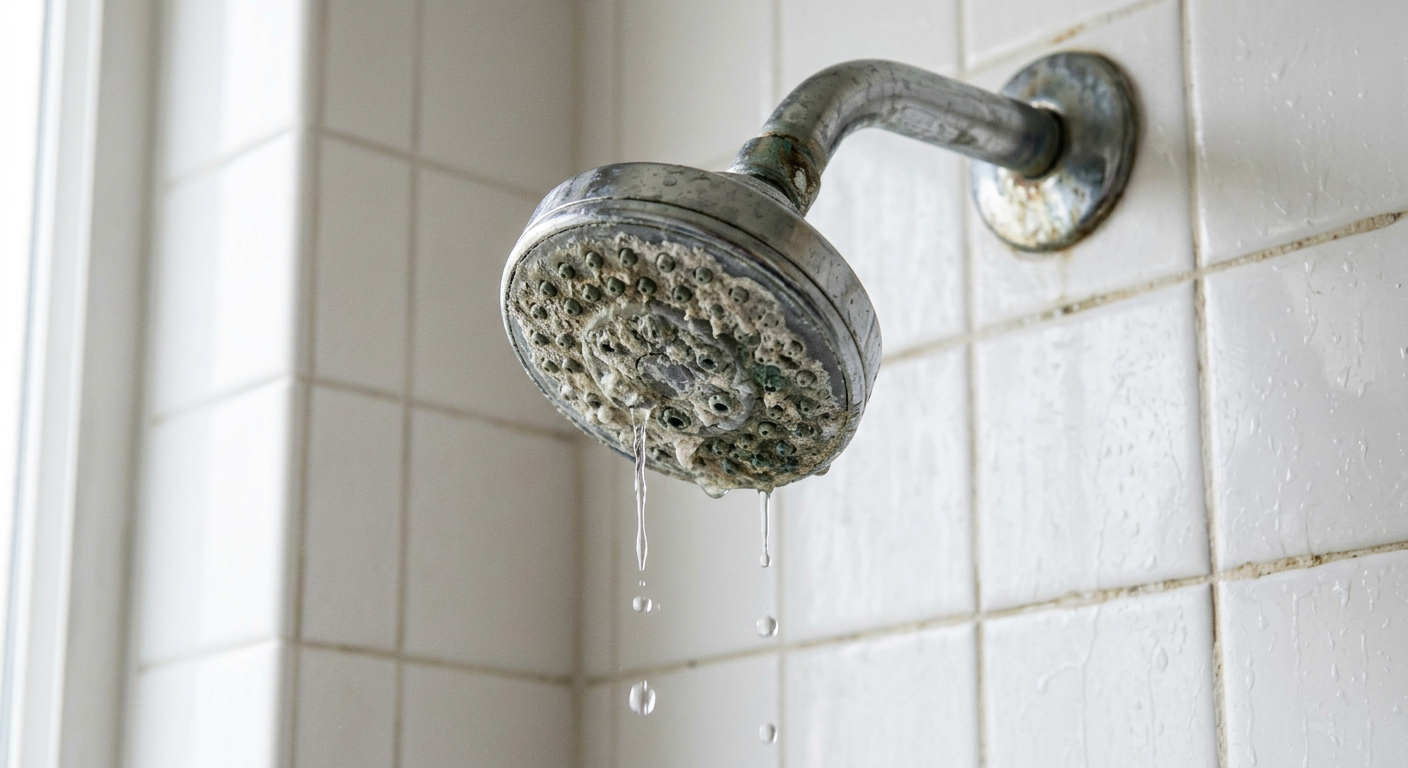
Longmont's water supply contains minerals like calcium and magnesium that can accumulate inside your plumbing fixtures over time. During winter, when homes are closed up and water sits in pipes for longer periods, these minerals have more opportunity to settle and harden. By spring, you might find that faucet aerators and showerheads have significant buildup restricting water flow.
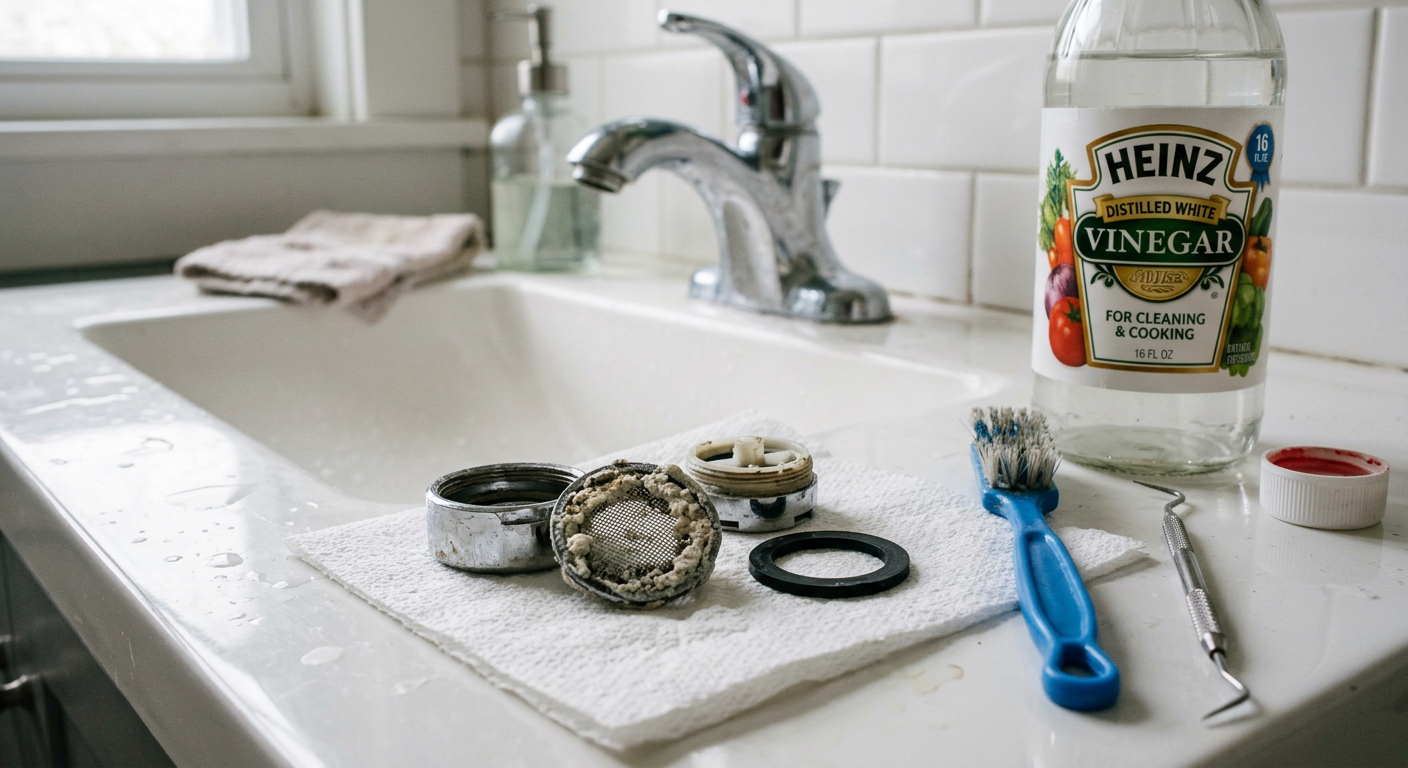
Aerators are the small screens at the tip of your faucet spouts, and they're designed to mix air with water for a consistent flow. When mineral deposits clog these screens, water pressure appears to drop dramatically even though the pressure in your pipes is actually fine. The same thing happens with showerheads, where mineral scale can block the tiny holes that distribute water. This is especially common in fixtures that aren't used frequently, like guest bathroom faucets or utility sinks.
Water heaters also accumulate sediment over winter, which can affect hot water pressure specifically. As your water heater operates, minerals settle to the bottom of the tank and can eventually clog the outlet pipe or reduce the tank's efficiency. If you notice that only your hot water has low pressure while cold water flows normally, sediment in your water heater is a likely culprit. Regular water heater flushing can prevent this problem, but many homeowners don't realize this maintenance task is necessary until pressure issues develop.
Pressure Regulator and Valve Problems
Your home's pressure regulator is a bell-shaped device usually located where the main water line enters your house, and it's responsible for reducing the high pressure from the municipal supply to a safe level for your home's plumbing (typically 50-60 psi). These regulators can fail after years of use, and the stress of winter temperature changes can accelerate their deterioration. When a pressure regulator fails, it might allow too little pressure through, causing weak flow throughout your entire home.
Symptoms of a failing pressure regulator include sudden pressure drops affecting all fixtures, pressure that fluctuates throughout the day, or banging noises in your pipes (called water hammer). If your home was built more than 10-15 years ago and still has the original pressure regulator, spring is a common time for these devices to show their age. Testing your water pressure with a simple gauge (available at hardware stores) can help determine if your regulator is functioning properly.
Shutoff valves are another frequent source of spring pressure problems. The main shutoff valve for your house, as well as individual fixture shutoff valves, can become partially closed or corroded over time. If someone adjusted a valve during winter for any reason and didn't fully reopen it, you'll experience reduced pressure. Older gate valves are particularly prone to getting stuck in partially closed positions, and the valve handle might feel like it's fully open even when the internal gate is only three-quarters of the way up. Checking that all shutoff valves are completely open is a simple troubleshooting step that can sometimes restore normal pressure immediately.
What Longmont Homeowners Can Check First
Before calling a plumber, there are several things you can safely check yourself to diagnose low water pressure issues. Start by determining whether the problem affects one fixture or your entire home. Turn on multiple faucets, showers, and outdoor spigots throughout your house. If only one fixture has low pressure, the problem is likely localized to that fixture's aerator, showerhead, or supply line. If every fixture has reduced pressure, you're dealing with a whole-house issue involving your main line, pressure regulator, or a significant leak.
Next, compare hot water pressure to cold water pressure at the same fixture. Turn on only the cold water and note the flow, then do the same with only hot water. If cold water flows normally but hot water is weak, your water heater likely has sediment buildup or a failing dip tube. This is one of the most common spring plumbing complaints we hear from Longmont homeowners, and it's usually resolved by flushing the water heater or, in some cases, replacing it if it's nearing the end of its lifespan.
Take a walk through your home looking for signs of hidden leaks. Check under sinks for moisture, look at ceilings for water stains or discoloration, inspect your basement or crawl space for dampness, and walk your yard looking for unusually green or soggy patches of grass. Listen for the sound of running water when no fixtures are in use. You can also check your water meter by turning off all water in your house and watching the meter for 15 minutes; if it's still moving, you have a leak somewhere.
Cleaning faucet aerators and showerheads is a simple task that often restores normal pressure. Unscrew the aerator from your faucet (you may need pliers and a cloth to protect the finish), rinse out any debris, and soak it in white vinegar for 30 minutes to dissolve mineral deposits. For showerheads, either remove and soak them or fill a plastic bag with vinegar, secure it over the showerhead with a rubber band, and let it sit for a few hours. Finally, ask your neighbors if they're experiencing similar pressure issues; if multiple homes on your street have the same problem, it's likely a municipal water supply issue rather than a problem with your individual plumbing system.
When Low Water Pressure Needs a Professional Plumber
While some water pressure issues can be resolved with basic troubleshooting, many situations require professional diagnosis and repair. Call a plumber if you've checked the simple fixes and still have low pressure, if the pressure drop happened suddenly rather than gradually, or if you've found signs of leaks but can't locate the source. Hidden leaks behind walls or under slabs require specialized leak detection equipment that can pinpoint the problem without unnecessary demolition.
You should also call a professional if your low pressure is accompanied by other symptoms like discolored water, strange noises in your pipes, or fluctuating pressure that comes and goes throughout the day. These signs often indicate more complex issues like corroded pipes, water hammer problems, or failing pressure regulators that need expert attention. Pressure regulator replacement, in particular, requires knowledge of proper pressure settings and installation techniques to ensure your plumbing system operates safely and efficiently.
If only your hot water pressure is low and cleaning aerators doesn't help, your water heater needs professional service. Sediment buildup, failing heating elements, or a deteriorating dip tube all require a plumber's expertise to diagnose and repair correctly. Attempting water heater repairs without proper training can be dangerous and may void your warranty. Our team at Mayer Plumbing has the tools and experience to quickly identify whether your water heater needs flushing, repair, or replacement.
Why Longmont Homeowners Trust Mayer Plumbing for Water Pressure Issues
At Mayer Plumbing, we've spent years helping Longmont families resolve frustrating water pressure problems, especially during the challenging spring season. We understand how Colorado's unique climate affects residential plumbing systems, and we know exactly where to look for the hidden issues that cause pressure drops this time of year. Our team uses advanced leak detection equipment to find problems without tearing apart your walls, and we always explain your options clearly before starting any work.
We're a family-owned business that takes pride in providing fast, reliable, and affordable service to our neighbors throughout Longmont, Berthoud, Erie, and surrounding communities. When you call us about low water pressure, we don't just treat the symptom; we investigate thoroughly to identify the root cause and provide lasting solutions. Whether you need a simple aerator cleaning, a pressure regulator replacement, or comprehensive leak detection and repair, we have the expertise to restore your water pressure to normal.
Our emergency plumbing services mean we're available when you need us most, including evenings and weekends. We know that sudden pressure loss can disrupt your daily routine, and we respond quickly to get your plumbing system back to working order. From leak detection and repair to water heater service and whole-house pressure diagnostics, we're your trusted local plumbing experts.
Frequently Asked Questions About Low Water Pressure
Why is my water pressure suddenly low?
Sudden water pressure drops are typically caused by a new leak in your plumbing system, a pressure regulator failure, a partially closed shutoff valve, or a problem with the municipal water supply. If the pressure loss happened overnight or within a few days, check that your main shutoff valve is fully open and ask neighbors if they're experiencing the same issue. If the problem is isolated to your home, you likely have a leak or equipment failure that needs professional diagnosis.
Can cold weather cause low water pressure later in spring?
Yes, cold weather damage often doesn't become apparent until spring. Freezing temperatures can create hairline cracks in pipes, loosen connections, and damage fixtures, but these problems may only produce small leaks initially. As temperatures warm and water usage increases in spring, these minor issues can develop into noticeable pressure problems. This delayed effect is why many Longmont homeowners first notice pressure issues in March or April even though the damage occurred months earlier.
Why is only my hot water pressure low?
When only hot water has low pressure while cold water flows normally, the problem is almost always related to your water heater. Sediment accumulation in the tank can clog the outlet pipe, a failing dip tube can disrupt water flow, or mineral deposits in your hot water lines can restrict flow. Sometimes the hot water shutoff valve at the water heater is partially closed. These issues require inspection of your water heater and hot water supply system.
Is low water pressure a sign of a leak?
Low water pressure can definitely indicate a leak, especially if the pressure drop happened gradually over several weeks or months. Even small leaks reduce the amount of water reaching your fixtures, resulting in weaker flow. Look for signs like unexplained wet spots, water stains, musty odors, or an increased water bill. If you suspect a leak but can't find it, professional leak detection services can locate hidden leaks behind walls, under floors, or in your yard without destructive searching.
When should I call a plumber for low water pressure?
Call a plumber if basic troubleshooting doesn't resolve the issue, if you've found signs of leaks but can't locate the source, if the pressure drop was sudden and severe, if only hot water is affected, or if low pressure is accompanied by other symptoms like discolored water or pipe noises. Also call a professional if you're uncomfortable checking valves or cleaning fixtures yourself, or if you suspect your pressure regulator needs replacement. Professional diagnosis can save you time and prevent minor issues from becoming major problems.
Get Your Water Pressure Back to Normal
If you're experiencing low water pressure in your Longmont home this spring, don't wait for the problem to get worse. Whether you've noticed sudden pressure loss, recurring weak flow, water stains, leaks, strange noises in your pipes, or pressure problems affecting your whole home, our team is ready to help. Call (303) 532-7597 or visit us online to get started.



