

Why Plumbing Problems Vary Across Longmont Neighborhoods

In This Article
- 1Old Town Longmont: The Challenge of Aging Pipe Systems
- 2Newer Developments: Hard Water and Water Heater Concerns
- 3Tree-Heavy Neighborhoods: Sewer Line and Root Intrusion Issues
- 4Winter Pipe Risks in All Longmont Neighborhoods
- 5When to Call a Professional Plumber
- 6Get Expert Plumbing Service for Your Longmont Neighborhood
If you've lived in Longmont for any length of time, you've probably noticed that homes in different neighborhoods seem to face different plumbing challenges. A house in Old Town might deal with recurring pipe corrosion, while a newer home near the Clover Basin development battles hard water buildup in the water heater. These aren't coincidences—plumbing problems vary significantly across Longmont neighborhoods based on factors like home age, construction materials, soil conditions, and even the trees lining your street. Understanding these neighborhood-specific issues can help you anticipate problems, maintain your plumbing system more effectively, and know when to call for professional help.
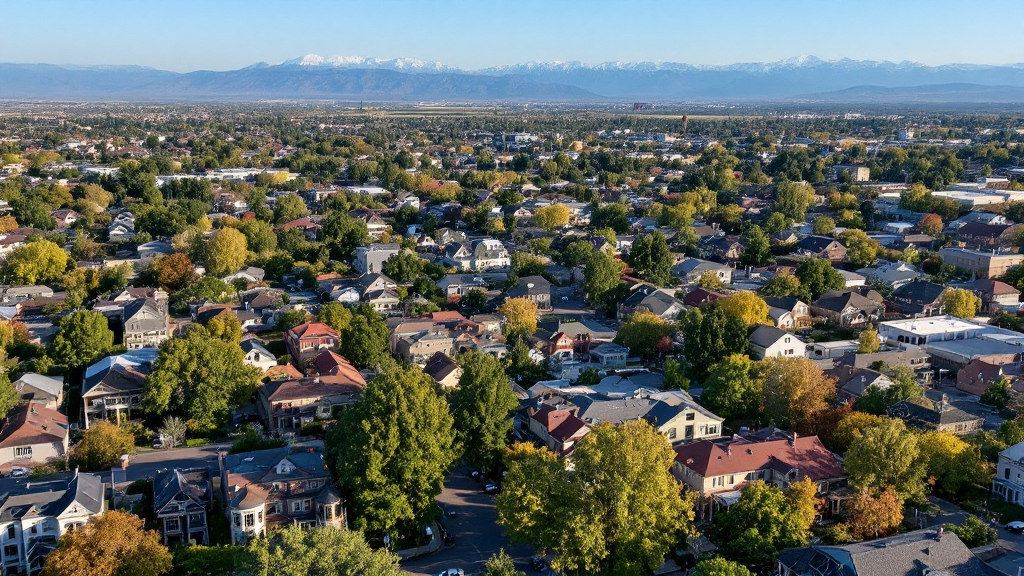
Old Town Longmont: The Challenge of Aging Pipe Systems
The charming historic homes in Old Town Longmont—many built between the 1880s and 1940s—come with a hidden challenge that newer homeowners often discover the hard way: outdated plumbing infrastructure. These beautiful properties frequently contain galvanized steel pipes, which were the standard for decades but have a lifespan of only 40 to 70 years. After that point, the interior walls corrode, restricting water flow and contaminating your water supply with rust particles.
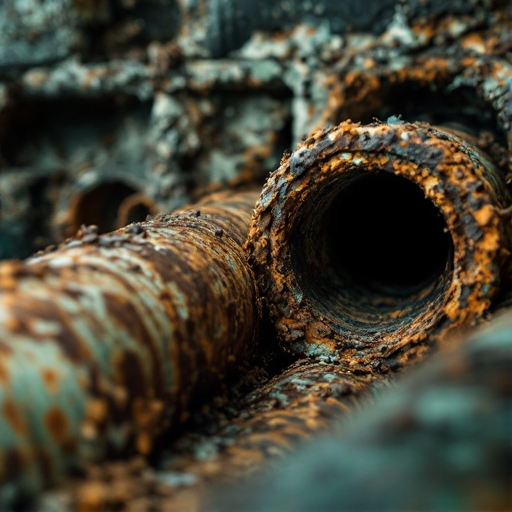
We regularly work with Old Town homeowners who notice discolored water, declining water pressure, or frequent pinhole leaks—all telltale signs of pipe deterioration. Many of these homes also have clay or cast iron sewer lines that have become brittle and cracked over time, leading to backups and costly repairs. The good news is that modern pipe replacement options like PEX or copper can be installed without tearing apart your entire home. Our team has repiped dozens of Old Town properties, often working section by section to minimize disruption while bringing the plumbing up to modern standards. If your home was built before 1960 and you're experiencing any of these symptoms, it's worth having a professional inspection to assess your pipe condition before a small problem becomes a major emergency.
Newer Developments: Hard Water and Water Heater Concerns
Longmont's newer neighborhoods—areas like Clover Basin, Harvest Junction, and developments near Highway 119—face a completely different set of plumbing challenges. While these homes benefit from modern PEX plumbing and up-to-date building codes, they're particularly vulnerable to Longmont's hard water problem. The Front Range region, including Longmont, CO, has some of the hardest water in Colorado, with mineral content often exceeding 180 parts per million.
In newer homes, we frequently see premature water heater failure due to mineral buildup. The calcium and magnesium in hard water accumulate at the bottom of tank water heaters, creating an insulating layer that forces the heating element to work harder and eventually fail years before its expected lifespan. This is why many homeowners in these areas are excellent candidates for tankless water heater installation, which is less susceptible to mineral accumulation and offers better long-term performance in hard water conditions. We also recommend annual water heater flushing for tank models and installing a whole-home water softener system. Beyond water heaters, hard water leaves white deposits on fixtures, reduces soap effectiveness, and can even clog aerators and showerheads. The investment in water treatment pays for itself through extended appliance life and reduced maintenance needs.
Tree-Heavy Neighborhoods: Sewer Line and Root Intrusion Issues
Some of Longmont's most beautiful neighborhoods—particularly established areas with mature cottonwoods, willows, and elms—face an ongoing battle between nature and plumbing infrastructure. Tree roots naturally seek out water sources, and your sewer line is essentially an underground river as far as they're concerned. Even the tiniest crack or loose joint in a sewer pipe releases moisture vapor that attracts roots from dozens of feet away.
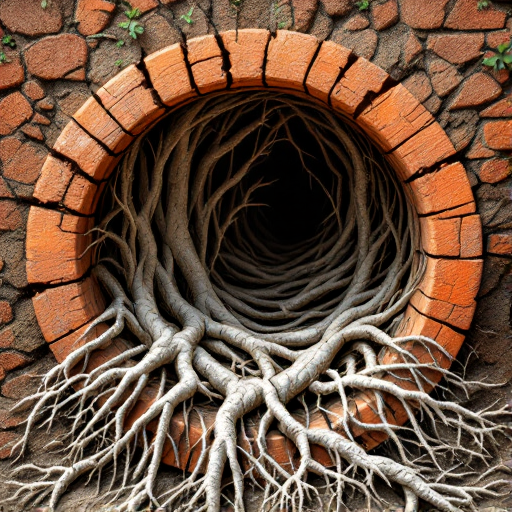
Neighborhoods near Lefthand Creek, areas with extensive landscaping, and properties with large shade trees are particularly susceptible to root intrusion. We've seen roots completely fill four-inch sewer lines, causing persistent slow drains, gurgling toilets, and eventually complete backups. The challenge is that roots don't just block the pipe—they continue growing, expanding cracks and creating more entry points. Our drain cleaning services include video camera inspection that can identify root intrusion before it becomes catastrophic. For properties with recurring root problems, we often recommend trenchless sewer line replacement with modern materials that have sealed joints roots can't penetrate. Some homeowners also benefit from root barriers installed between trees and sewer lines, or regular preventive rooter service every 18 to 24 months. If you have large trees on your property and notice slow drains throughout your home—especially in lower-level fixtures—root intrusion should be at the top of your diagnostic list.
Winter Pipe Risks in All Longmont Neighborhoods
While the previous issues vary by neighborhood, one plumbing challenge affects every area of Longmont equally: winter freeze damage. Our location along the Front Range means we experience dramatic temperature swings, with daytime highs above freezing followed by overnight lows well below zero. This freeze-thaw cycle is particularly destructive to plumbing systems, and we see a surge in emergency calls every winter.
The most vulnerable areas are exterior hose bibs, pipes in unheated garages, crawl spaces with inadequate insulation, and north-facing exterior walls. When water freezes inside a pipe, it expands with tremendous force—enough to split copper, crack PEX, and rupture fixtures. The real damage often doesn't become apparent until temperatures rise and the ice melts, suddenly releasing hundreds of gallons of water into your home. We strongly recommend several preventive measures for all Longmont homeowners: disconnect and drain garden hoses before the first freeze, install frost-free hose bibs or insulated covers, maintain heat in all areas with plumbing, and know where your main water shutoff is located. For homes with a history of freeze problems, pipe insulation and heat tape installation can provide additional protection. Our 24/7 emergency services are always available during cold snaps, but the best approach is prevention—a small investment in winterization can save thousands in water damage restoration costs.
When to Call a Professional Plumber
Understanding your neighborhood's specific plumbing vulnerabilities is valuable, but knowing when to call for professional help is equally important. Some warning signs require immediate attention regardless of where you live in Longmont. Contact a licensed plumber right away if you notice multiple drains backing up simultaneously, which suggests a main sewer line problem rather than an isolated clog. Water stains on ceilings or walls, unexplained increases in your water bill, the sound of running water when all fixtures are off, or a sudden drop in water pressure all indicate problems that will worsen without professional intervention.
For neighborhood-specific concerns, Old Town homeowners should schedule pipe inspections if their home is over 50 years old and hasn't had plumbing updates. Residents of newer developments should consider water testing and treatment consultations if they notice scale buildup or premature appliance failure. Properties with mature trees benefit from preventive sewer camera inspections every few years. And all Longmont homeowners should have a trusted plumber's number saved before winter arrives. Our team provides free estimates for most services and can often provide same-day service for urgent issues. We've worked in every Longmont neighborhood and understand the specific challenges your home faces based on its location and age.
Get Expert Plumbing Service for Your Longmont Neighborhood
Whether you're dealing with corroded pipes in Old Town, hard water problems in a newer development, tree root intrusion, or winter freeze damage, Mayer Plumbing has the local expertise to solve your neighborhood-specific plumbing challenges. Call (303) 532-7597 or visit us online to get started.



