

What to Do Before the Plumber Arrives: Emergency Plumbing Steps

In This Article
A plumbing emergency never happens at a convenient time. Whether it's a burst pipe flooding your basement at midnight or a water heater leak spreading across your utility room on a Saturday morning, those first few minutes before professional help arrives can make the difference between minor repairs and extensive water damage. As a family-owned plumbing company serving Longmont and Boulder County for years, we've responded to countless emergency calls, and we've seen firsthand how homeowners who take the right immediate actions can save thousands of dollars in damage. This guide walks you through the essential steps to take when a plumbing crisis strikes your Longmont home, helping you stay calm and protect your property until our emergency team arrives at your door.
Locate and Shut Off Your Main Water Valve
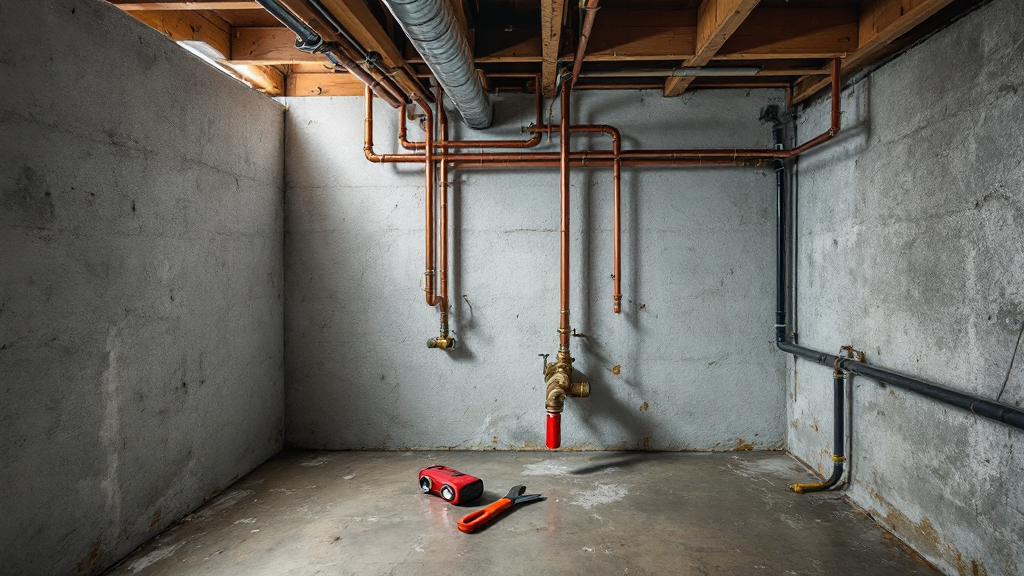
The single most important action you can take during most plumbing emergencies is shutting off your main water supply. Every homeowner should know exactly where this valve is located before an emergency happens. In most Longmont homes, you'll find the main shut-off valve where the water line enters your house, typically in the basement, crawl space, or utility room near the water heater. Some homes have the valve in a concrete box near the street or along an exterior wall. The valve is usually a round wheel handle or a lever-style ball valve. To shut it off, turn the wheel clockwise until it stops, or rotate a lever a quarter turn until it's perpendicular to the pipe.
If you're dealing with a localized issue like a toilet overflow or sink leak, you may only need to shut off the fixture's individual supply valve rather than the main line. These smaller valves are typically located directly beneath sinks or behind toilets. However, if water is gushing rapidly, if you can't locate the fixture valve, or if you're unsure of the source, always err on the side of caution and shut off the main water supply. The temporary inconvenience of losing water throughout your home is far preferable to the extensive damage that can occur in just minutes. Once the water is off, open outdoor spigots or the lowest faucet in your home to drain remaining water from the pipes and relieve pressure.
Immediate Steps for Common Plumbing Emergencies
Different emergencies require specific responses beyond shutting off the water. For a burst pipe, after turning off the main valve, move furniture and valuables away from the affected area immediately. Place buckets under any dripping sections and use towels to create barriers that direct water toward drains or away from walls. If the burst occurred in a wall or ceiling, puncture the lowest point of any water-filled bulges to allow controlled drainage rather than letting the weight cause a larger collapse. Document everything with photos for insurance purposes before you start cleanup.
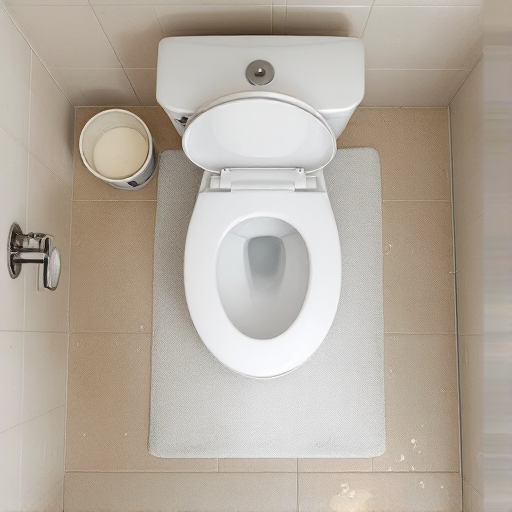
When facing an overflowing toilet, never flush again, as this will only add more water to the problem. Shut off the toilet's supply valve located behind the base, then remove the tank lid and lift the float ball or cup to stop additional water from entering the bowl. If sewage is backing up through multiple drains, this indicates a main sewer line issue. Stop using all water in the house immediately, including sinks, showers, and appliances. Sewer backups can contain harmful bacteria and require professional handling with proper safety equipment.
For water heater leaks, shut off the cold water supply valve at the top of the tank, then turn off the power source. For electric water heaters, switch off the dedicated circuit breaker. For gas units, turn the gas control valve to the pilot position. Never attempt to move or drain a hot water heater yourself, as the water inside can cause severe burns. Place towels and containers to catch dripping water and clear the area of anything that could be damaged. Water heater emergencies in Longmont homes often occur during winter months when units work harder, so being prepared is especially important during Colorado's cold season.
Safety Precautions During a Plumbing Emergency
Your safety and your family's safety must come before property concerns. Water and electricity create a dangerous combination, so if water is spreading near electrical outlets, appliances, or your electrical panel, shut off power to affected areas at your circuit breaker box before entering the space. If you cannot safely reach the breaker box without walking through standing water, evacuate the area and wait for professional help. Never use electrical appliances, including wet-dry vacuums, in standing water without confirming the power is off.
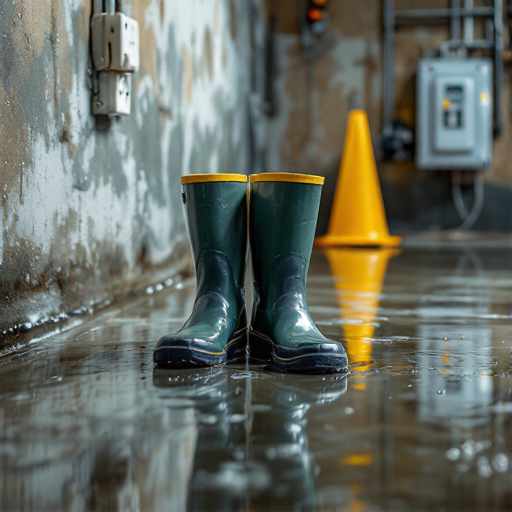
Sewage backups and contaminated water present serious health risks. If you're dealing with water that contains sewage, avoid direct contact. Wear rubber gloves and boots if you must enter the area, and keep children and pets completely away from the contaminated zone. Any items that have contacted sewage water, including carpets and porous materials, may need professional cleaning or disposal. After handling contaminated materials, wash your hands thoroughly with soap and hot water. If you have cuts or open wounds, cover them completely before any cleanup work.
Be cautious of slip hazards created by wet floors, especially on tile or hardwood surfaces. Structural concerns can also arise quickly during major leaks. If you notice sagging ceilings, buckling floors, or hear unusual creaking sounds, evacuate the area immediately. Water weighs approximately eight pounds per gallon, and accumulated water can cause ceilings and floors to collapse without warning. These situations require immediate professional assessment from both plumbing and structural experts.
When It's a True Plumbing Emergency
Not every plumbing problem requires an emergency call, but certain situations demand immediate professional response regardless of the time or day. A true plumbing emergency involves active, uncontrolled water flow that you cannot stop, sewage backing up into your home, a complete loss of water supply during freezing temperatures, or any situation where water is contacting electrical systems. Gas leaks associated with water heater problems also constitute emergencies requiring immediate evacuation and professional response.
Burst pipes, especially during Longmont's winter freezes, qualify as emergencies because they can release hundreds of gallons of water into your home within hours. A single eighth-inch crack in a pipe can spray up to 250 gallons of water per day. Water heater failures that are actively flooding your home also require emergency service, as do any leaks that threaten your home's structural integrity or pose electrical hazards. Main sewer line backups need immediate attention not only because of the damage and health risks but also because the problem typically worsens rapidly.
Some situations, while urgent, can wait until regular business hours if you've successfully shut off the water and contained the immediate problem. A slow leak that you've stopped with the fixture valve, a running toilet that you've isolated, or a clogged drain that isn't overflowing can typically wait for next-day service. However, if you're uncertain about the severity or if the problem is worsening despite your efforts, it's always better to call for emergency service. Our team would rather assess a situation and provide peace of mind than have you wait while damage escalates.
What Happens When Our Emergency Team Arrives
When you call Mayer Plumbing for emergency service, we dispatch a fully equipped truck to your Longmont home as quickly as possible. Our emergency vehicles carry diagnostic equipment, repair materials, and specialized tools to handle virtually any plumbing crisis on the first visit. Upon arrival, our plumber will first assess the immediate safety situation, confirming that water and power are properly shut off and that the area is safe to work in. We'll ask you questions about what happened, when you first noticed the problem, and what actions you've already taken.
Next, we'll locate the source of the problem, which sometimes differs from where you're seeing water. We use moisture meters, inspection cameras, and other diagnostic tools to identify hidden leaks or underlying issues. Once we've identified the problem, we'll explain what happened, what needs to be done to fix it, and provide you with a clear estimate before beginning repairs. We believe in transparent communication, especially during stressful emergency situations. Our goal is to restore your plumbing system to proper function while helping you understand what happened and how to prevent similar issues in the future.
After completing the immediate repairs, we'll test the system thoroughly to ensure everything is working correctly and that no additional leaks exist. We'll walk you through what we did, answer any questions, and provide recommendations for any additional work that might prevent future emergencies. Many emergency situations reveal underlying issues like aging pipes, improper installations, or maintenance needs that, when addressed, can save you from future crises. We'll also provide guidance on cleanup and water damage mitigation, and when necessary, we can recommend trusted restoration professionals in the Longmont area who can help with drying and repairs.
Get Expert Emergency Plumbing Help in Longmont
Plumbing emergencies are stressful, but knowing what steps to take before help arrives can protect your home and give you confidence during a crisis. At Mayer Plumbing, we provide 24/7 emergency plumbing services throughout Longmont, Berthoud, Erie, and surrounding Boulder County communities. Our experienced team responds quickly with the expertise and equipment needed to resolve your emergency and restore your peace of mind. Call (303) 532-7597 or visit us online to get started.



