

The First 10 Minutes After a Plumbing Emergency

In This Article
When a pipe bursts or a water heater fails at 2 a.m., panic is the natural first reaction. But the actions you take in those critical first 10 minutes can mean the difference between a manageable repair and thousands of dollars in water damage. Whether you're dealing with a burst pipe flooding your basement, a toilet overflowing onto your bathroom floor, or a water heater leaking across your utility room, knowing exactly what to do immediately can protect your home and your wallet. We've responded to hundreds of plumbing emergencies throughout Longmont, CO and surrounding areas, and we've seen firsthand how quick, calm action makes all the difference. This guide walks you through the exact steps to take when disaster strikes, so you can minimize damage and get professional help on the way as quickly as possible.
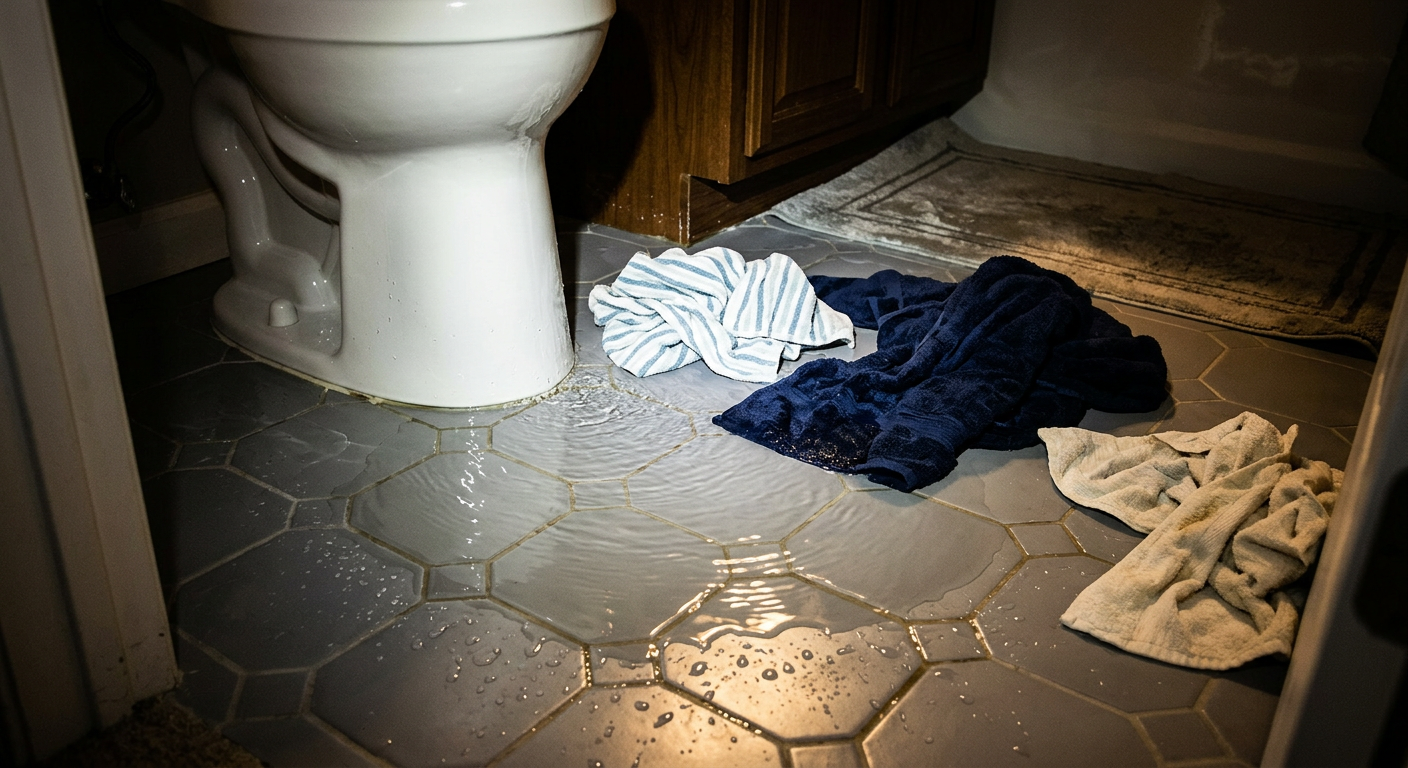
1. Stay Calm and Quickly Assess the Situation
The first minute after discovering a plumbing emergency sets the tone for everything that follows. Take a deep breath and resist the urge to panic. Your ability to think clearly right now will directly impact how much damage occurs. Start by identifying the source of the problem: Is water actively flowing? Where is it coming from? Is it a burst pipe, an overflowing fixture, or a failing appliance? Look around quickly to determine how fast water is spreading and which areas of your home are at immediate risk.
Understanding the severity helps you prioritize your next actions. A small leak under a sink requires different immediate steps than a burst supply line spraying water across your kitchen. If the water is near electrical outlets, switches, or appliances, safety becomes your top priority—avoid standing in water near electricity and consider shutting off power to affected areas at your electrical panel if you can do so safely. In our experience serving Longmont homeowners, those who take 30 seconds to assess before acting almost always fare better than those who react without thinking. Mental clarity in this moment is your greatest asset, so pause, observe, and then move decisively to the next step.
2. Shut Off the Water Supply Immediately
Once you've assessed the situation, your single most important action is stopping the flow of water. Every second that water continues flowing increases the damage to your floors, walls, and belongings. For localized problems like a leaking toilet or sink, start by turning off the fixture shutoff valve. These small oval or football-shaped valves are typically located on the wall or floor beneath sinks and behind toilets. Turn them clockwise until they stop—this cuts water to that specific fixture without affecting the rest of your home.
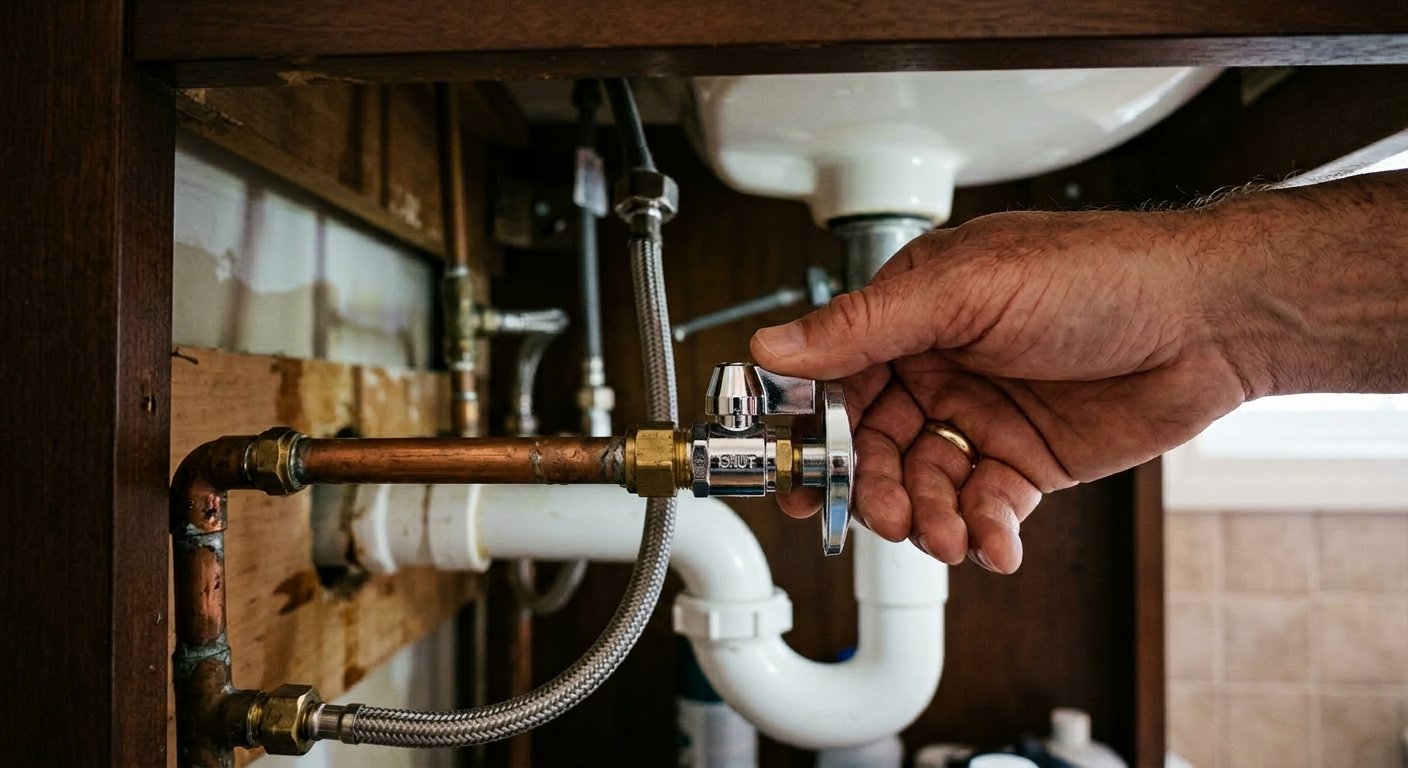
If you can't locate a fixture valve, if one is stuck, or if the problem involves a burst pipe in a wall or ceiling, you need to shut off your home's main water supply. The main shutoff valve is typically located where the water line enters your house—often in the basement, crawl space, utility room, or outside near the foundation. In Longmont, CO homes, outdoor shutoffs are sometimes located in a ground-level box near the street or in a basement along an exterior wall. Turn the valve clockwise until it's fully closed. If you have a lever-style ball valve, rotate it 90 degrees so it's perpendicular to the pipe. Don't worry about cutting water to your entire house—protecting your home from ongoing damage takes priority. Once the water is off, you've bought yourself time to handle the next critical steps. Make sure everyone in your household knows where this valve is located before an emergency happens—those precious minutes spent searching can be costly.
3. Protect Valuables and Prevent Further Damage
With the water supply shut off, shift your focus to damage control. Water spreads quickly and can ruin belongings, flooring, and structural materials in minutes. Start by moving any valuables, electronics, furniture, and important documents away from the affected area. If water is pooling on hardwood floors, tile, or carpet, grab towels, mops, and buckets to start removing standing water as quickly as possible. The faster you remove water from flooring, the better your chances of avoiding permanent damage, warping, or mold growth.
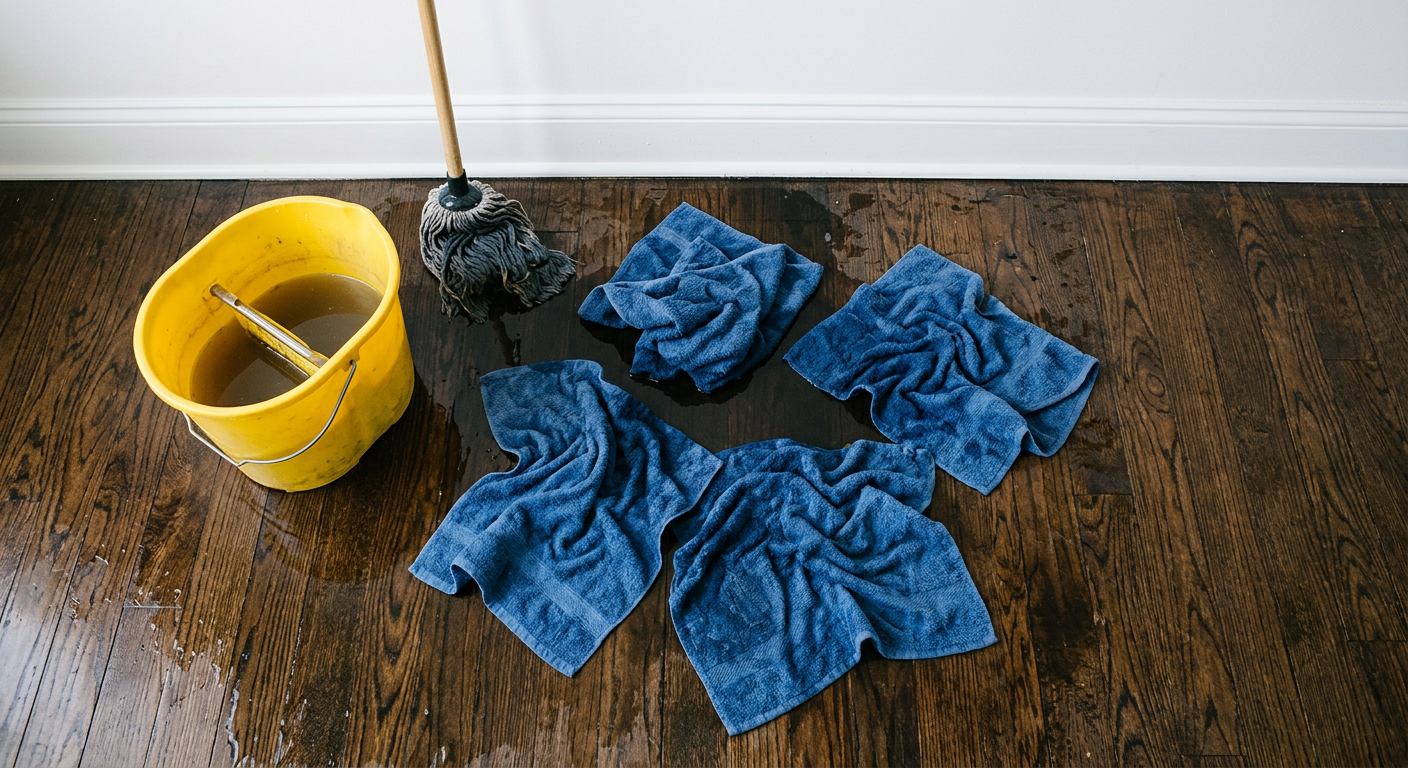
If water is dripping from a ceiling, place buckets or large containers underneath to catch the flow and protect the floor below. For ceiling leaks, you may need to carefully puncture the lowest point of a water-filled bulge with a screwdriver to allow controlled drainage into a bucket—this prevents a larger, uncontrolled collapse. Open windows if weather permits to increase air circulation and begin the drying process. If you have a wet-dry vacuum, now is the time to use it. Move area rugs outside to dry and pull furniture away from wet walls. These actions won't fix the plumbing problem, but they dramatically reduce secondary damage. We've seen Longmont homeowners save thousands in restoration costs simply by acting quickly to dry out affected areas in these first critical minutes.
4. Take Temporary Measures to Contain the Problem
After protecting your belongings and starting to remove water, look for temporary fixes that can further minimize damage until professional help arrives. If you've identified a specific leak point—like a crack in a pipe or a loose connection—you may be able to slow or temporarily stop the leak. Plumber's tape, pipe clamps, or even a rubber pad secured with a hose clamp can provide a short-term seal on a leaking pipe joint or small crack. For pinhole leaks, a small piece of rubber from an old inner tube or garden hose wrapped tightly with waterproof tape can buy you time.
If a supply line has burst and you can't immediately shut off water to that specific area, wrapping the damaged section with towels and duct tape can reduce spray and direct water into a bucket. For toilet overflows, once you've shut off the water supply valve, use a plunger to try clearing the blockage if the bowl isn't full to the brim. Keep in mind that these are strictly temporary measures—they're meant to reduce immediate damage, not replace proper repairs. Don't spend more than a few minutes attempting temporary fixes, and never put yourself at risk by working near electrical hazards or in unsafe conditions. The goal is damage control, not a permanent solution. These stopgap measures give you breathing room while you wait for an emergency plumber to arrive and make lasting repairs.
5. Call an Emergency Plumber Right Away
Once you've shut off the water, protected your property, and taken initial containment steps, it's time to call for professional help. Plumbing emergencies require expert diagnosis and repair—attempting complex fixes yourself can often make problems worse or create new hazards. Even if you've successfully stopped the immediate water flow, the underlying issue remains and could cause additional problems if not properly addressed. When you call an emergency plumber, be prepared to describe what happened, what you've already done, and the current state of the situation. This information helps us arrive prepared with the right tools and parts.
Choose a local, licensed plumber with emergency availability rather than trying to wait until regular business hours. Water damage doesn't pause for convenience, and delays can lead to mold growth, structural damage, and more expensive repairs. Our team at Mayer Plumbing provides 24/7 emergency service throughout Longmont and surrounding communities including Berthoud, Erie, and Broomfield because we know plumbing disasters don't follow a schedule. We respond quickly to assess the damage, make necessary repairs, and ensure your plumbing system is safe and functional. While you wait for help to arrive, continue monitoring the affected area, keep removing any new water accumulation, and take photos of the damage for insurance purposes if the situation is severe. Remember that acting fast in the first 10 minutes sets you up for the best possible outcome, but professional expertise is essential for a complete resolution.
Get Fast, Reliable Emergency Plumbing Service
When a plumbing emergency strikes your Longmont home, you need a trusted local team that responds quickly and gets the job done right. Our experienced plumbers are available 24/7 to handle any emergency, from burst pipes to water heater failures. Call (303) 532-7597 or visit us online to get started.



