

Tank vs. Tankless Water Heater: Which Saves You More Money?

In This Article
- 1Understanding the Upfront Investment: Installation Costs in Colorado
- 2Energy Efficiency and Monthly Savings: Where Tankless Shines
- 3Lifespan and Replacement Cycles: The Long-Term Cost Picture
- 4Maintenance Requirements and Colorado-Specific Considerations
- 5Which System Makes Sense for Your Household?
- 6Get Expert Water Heater Advice from Your Local Longmont Plumber
If you're facing a water heater replacement or building a new home in Longmont, Fort Collins, or anywhere along Colorado's Front Range, you've probably asked yourself: should I stick with a traditional tank water heater, or make the switch to tankless? It's one of the most common questions we hear at Mayer Plumbing, and for good reason. The answer affects not just your upfront budget, but your monthly utility bills, maintenance costs, and home comfort for years to come. The truth is, there's no one-size-fits-all answer. The best choice depends on your household size, hot water habits, budget, and how long you plan to stay in your home. Let's break down the real costs and savings so you can make an informed decision that works for your family.
Understanding the Upfront Investment: Installation Costs in Colorado
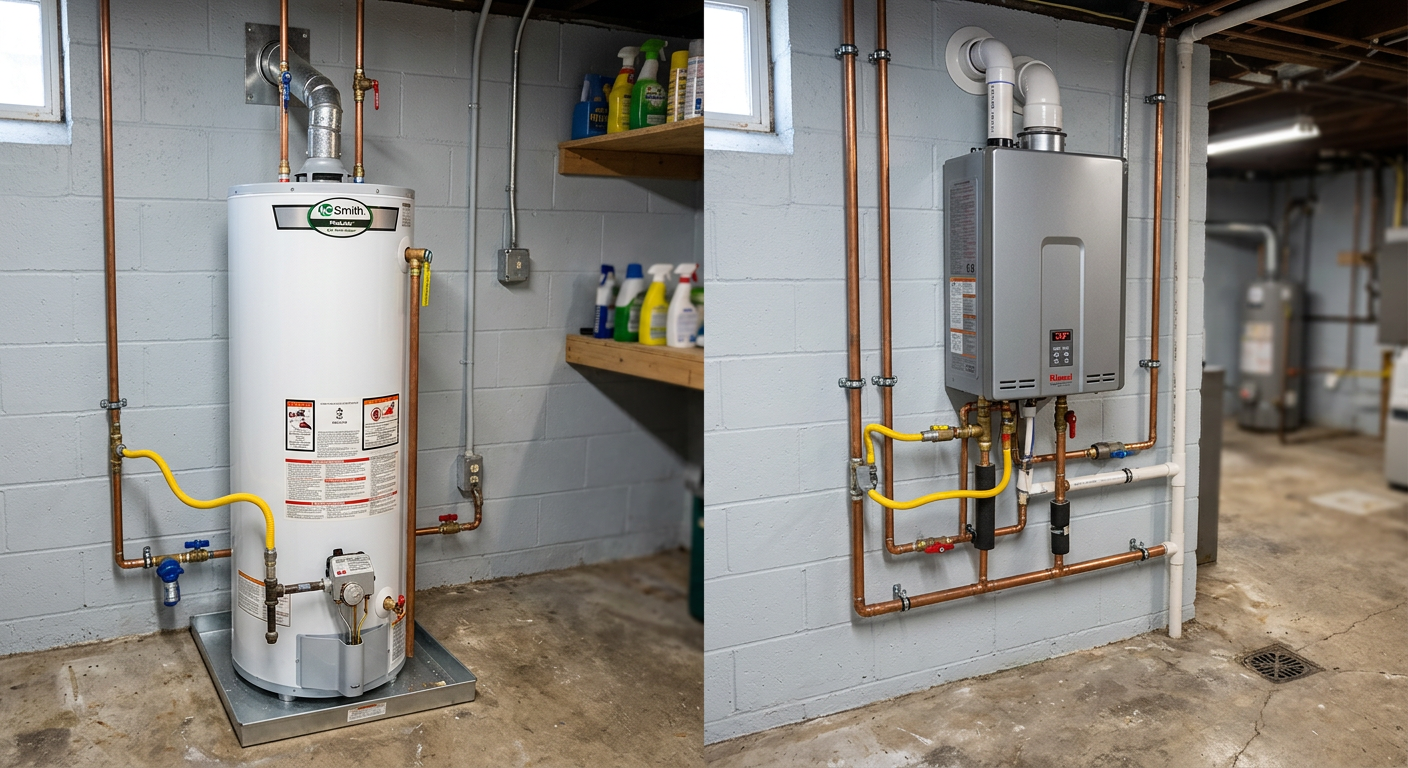
Let's start with the elephant in the room: tankless water heaters cost significantly more to install than traditional tank models. In the Longmont and Northern Colorado area, a quality 40 or 50-gallon tank water heater installation typically runs between $1,200 and $2,500, depending on the model, venting requirements, and whether you need any upgrades to your existing setup. That's a straightforward replacement in most cases.
Tankless water heaters, on the other hand, generally cost between $3,000 and $5,500 for a whole-home system installation. Why the jump? Tankless units often require electrical upgrades to handle the higher amperage demand, gas line modifications for proper fuel supply, new venting systems that meet current code requirements, and sometimes even relocated installation points to optimize performance. In Colorado, where we deal with colder incoming water temperatures year-round, you may need a more powerful unit than homeowners in warmer climates, which adds to the cost. Our team has installed both systems throughout Longmont, Broomfield, and Erie, and we always walk homeowners through exactly what their specific home will require before providing a quote. The upfront difference is real, but it's only part of the financial picture.
Energy Efficiency and Monthly Savings: Where Tankless Shines
This is where tankless water heaters start to recoup that higher initial investment. Traditional tank water heaters maintain a full reservoir of hot water 24/7, whether you're using it or not. This creates what's called standby heat loss—your system constantly reheats water that's sitting in the tank cooling down. In Colorado's colder climate, especially during winter months, this standby loss increases because the ambient temperature in your basement, garage, or utility room drops significantly.
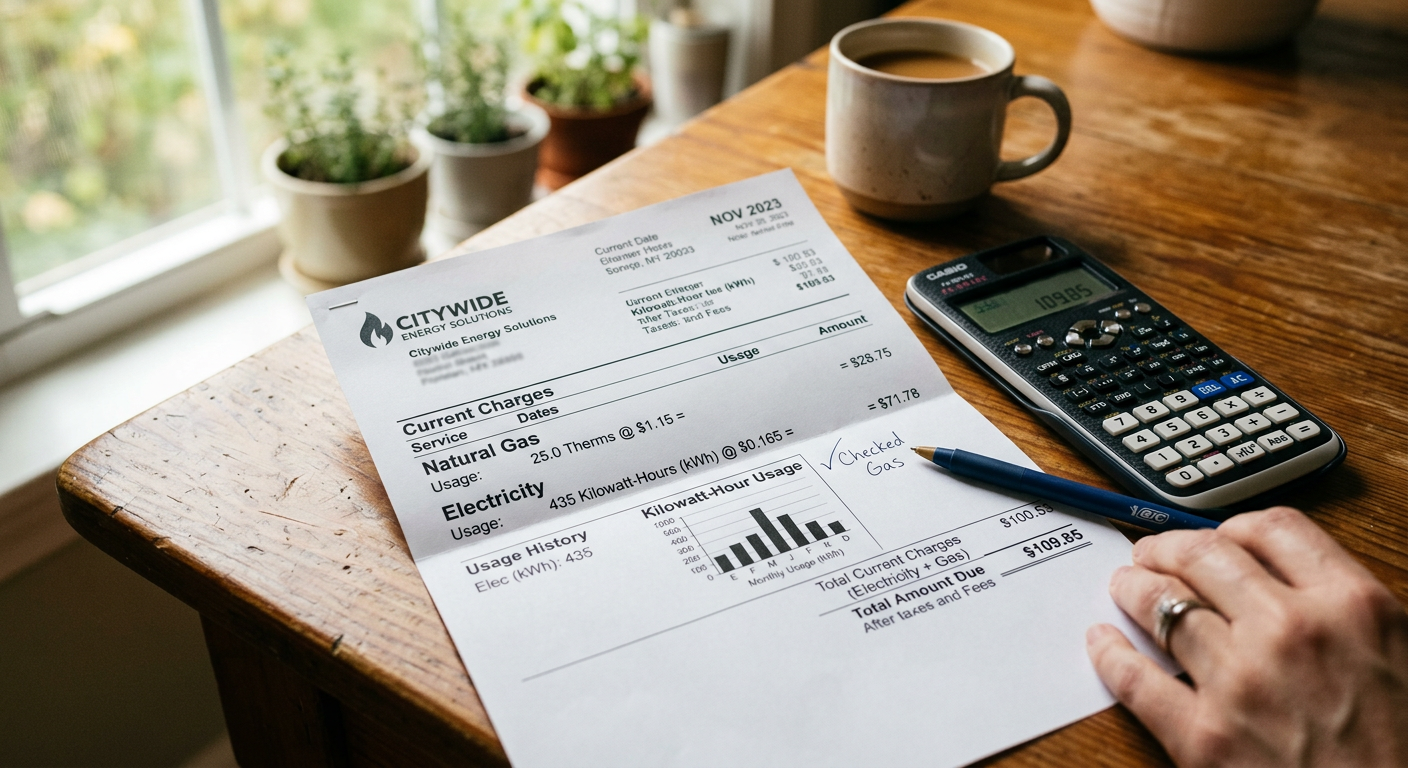
Tankless water heaters eliminate standby loss entirely by heating water only when you turn on a hot water tap. According to the U.S. Department of Energy, homes that use 41 gallons or less of hot water daily can see energy savings of 24-34% with tankless systems. Even homes using around 86 gallons daily can still achieve 8-14% savings. For a typical Longmont household, that translates to roughly $80-$150 in annual energy savings on your natural gas or electric bill. Over a 20-year lifespan, those savings add up to $1,600-$3,000—which can offset much or all of that higher installation cost. The exact savings depend on your utility rates, hot water usage patterns, and how well your current tank system is insulated. We've seen families in larger homes in Fort Collins with high hot water demands save even more, especially when they're replacing an older, inefficient tank model.
Lifespan and Replacement Cycles: The Long-Term Cost Picture
When calculating true cost savings, you need to factor in how long each system will last. Traditional tank water heaters typically last 8-12 years in our area. Colorado's hard water—rich in calcium, magnesium, and other minerals—accelerates sediment buildup inside the tank, which reduces efficiency and eventually causes the tank to fail. We see this constantly in Longmont, Frederick, and surrounding communities. Even with regular maintenance like annual flushing, most tank systems need replacement within that 8-12 year window.
Tankless water heaters, by contrast, typically last 15-20 years or more with proper maintenance. Because there's no tank to corrode and fail, the main components that wear out are the heat exchanger and electronic controls, which can often be repaired rather than requiring full system replacement. Over a 20-year period, you might purchase and install two tank water heaters (at $1,200-$2,500 each) versus one tankless system (at $3,000-$5,500 once). When you add in the energy savings we discussed earlier, tankless systems often come out ahead financially for homeowners who plan to stay in their homes long-term. However, if you're planning to move within 5-7 years, you may not recoup the higher upfront investment. That's an honest conversation we have with our customers—we want you to make the choice that makes sense for your specific situation, not just sell you the most expensive option.
Maintenance Requirements and Colorado-Specific Considerations
Both systems require maintenance, but the type and frequency differ. Tank water heaters need annual flushing to remove sediment buildup, anode rod inspection and replacement every few years, and occasional temperature and pressure relief valve checks. Many homeowners skip this maintenance, which shortens the tank's lifespan considerably. The good news is that tank maintenance is relatively simple and inexpensive.

Tankless water heaters require annual descaling to remove mineral buildup from the heat exchanger—and this is absolutely critical in Colorado due to our hard water. Skip this maintenance, and you'll see reduced efficiency, error codes, and potentially expensive repairs. Professional descaling typically costs $150-$250 annually. Some homeowners install whole-home water softeners to reduce mineral buildup, which protects not just the tankless unit but all your plumbing fixtures and appliances. That's an additional investment to consider, though it benefits your entire home.
Another Colorado-specific factor: our incoming water temperature. In winter, groundwater temperatures can drop to 40-45°F, compared to 50-55°F in summer. Tankless units must work harder to achieve the temperature rise needed for hot showers and dishwashing, which can reduce flow rate during peak demand times. We help homeowners right-size their tankless systems to handle Colorado's cold water challenges, ensuring you won't run out of hot water during back-to-back showers on a freezing January morning.
Which System Makes Sense for Your Household?
After installing and servicing both types of water heaters throughout Northern Colorado for years, we've seen which situations favor each system. Tank water heaters make the most sense if you're on a tight budget and need replacement now, you plan to move within the next 5-7 years, your home has limited electrical capacity or gas line size for tankless upgrades, or you have simultaneous high-demand uses like filling a large soaking tub while running appliances. They're proven, reliable, and get the job done affordably.
Tankless water heaters are the better long-term investment if you plan to stay in your home for 10+ years, you want to lower your monthly energy bills, you're doing a major renovation and can absorb the installation costs into the project, you have space constraints (tankless units are much smaller), or you value the convenience of never running out of hot water. We've installed tankless systems for growing families in Erie and Firestone who were constantly running out of hot water with their old 50-gallon tanks, and the difference in their daily lives has been significant.
The bottom line? For most Colorado homeowners who plan to stay put, tankless systems save money over their lifetime despite the higher upfront cost. But if you need an affordable solution now or won't be in your home long enough to see the payback, a quality tank water heater is still a smart, reliable choice. We're here to help you evaluate your specific situation—your home's infrastructure, your family's hot water needs, your budget, and your timeline—so you can make the decision that's right for you, not just what's trendy or most expensive.
Get Expert Water Heater Advice from Your Local Longmont Plumber
Whether you're leaning toward tank or tankless, our team at Mayer Plumbing has the experience to install and service both systems throughout Longmont, CO and the surrounding areas. We'll assess your home's specific needs, explain your options honestly, and provide a detailed quote with no pressure. Call (303) 532-7597 or visit us online to get started.



