

Seasonal Plumbing Maintenance Checklist for Longmont Homeowners

In This Article
- 1Spring Plumbing Maintenance: Recovery and Prevention
- 2Summer Plumbing Priorities: Outdoor Systems and Efficiency
- 3Fall Plumbing Preparation: Winterization and Insulation
- 4Winter Plumbing Protection: Freeze Prevention and Emergency Readiness
- 5When to Schedule a Professional Inspection
- 6Protect Your Longmont Home Year-Round
Living in Longmont, Colorado means experiencing the full range of seasons, from scorching summer afternoons to sub-zero winter nights. Each season brings unique challenges to your home's plumbing system, and the dramatic temperature swings common to Northern Colorado can accelerate wear and tear on pipes, fixtures, and water heaters. A proactive approach to seasonal plumbing maintenance helps you avoid emergency calls, extend the life of your plumbing infrastructure, and prevent the kind of water damage that can cost thousands to repair. Our team at Mayer Plumbing has served Longmont homeowners through countless seasonal transitions, and we've seen firsthand how a simple seasonal checklist can make the difference between a minor adjustment and a major plumbing disaster.
Spring Plumbing Maintenance: Recovery and Prevention
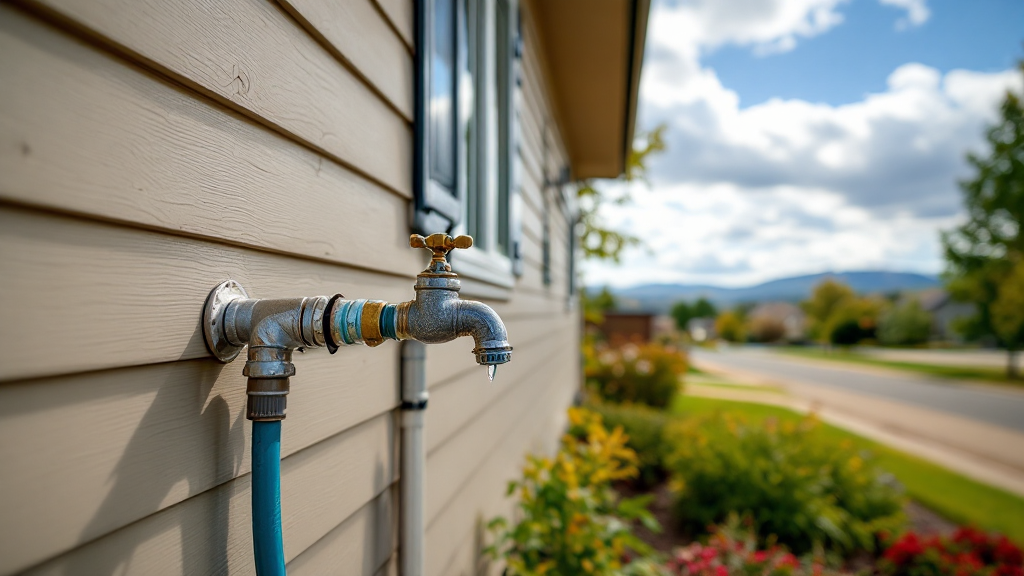
Spring in Longmont brings melting snow, increased rainfall, and the perfect opportunity to assess any damage winter may have caused to your plumbing system. Start by inspecting all outdoor faucets and hose bibs for leaks or cracks that may have developed during freezing temperatures. Turn on each outdoor spigot and check the area around the valve inside your home for signs of moisture, which could indicate a frozen pipe that cracked but hasn't failed completely yet. This is also the ideal time to test your sump pump if you have one. Pour several gallons of water into the sump pit to ensure the pump activates properly and drains efficiently. Spring storms can overwhelm a failing sump pump, leading to basement flooding that damages flooring, drywall, and personal belongings.
Check your water heater for any signs of corrosion or sediment buildup. The increased demand during winter can accelerate sediment accumulation at the bottom of the tank, reducing efficiency and potentially shortening the unit's lifespan. If you hear rumbling or popping sounds when your water heater runs, sediment buildup is likely the culprit. Flushing the tank or scheduling a professional inspection can restore efficiency and prevent premature failure. Don't forget to inspect exposed pipes in crawl spaces and basements for any signs of moisture, rust, or mineral deposits that suggest slow leaks developed over winter.
Summer Plumbing Priorities: Outdoor Systems and Efficiency
Summer brings increased water usage for lawns, gardens, and outdoor activities, making it essential to ensure your irrigation systems and outdoor plumbing are functioning efficiently. Inspect sprinkler heads for damage, misalignment, or leaks that waste water and drive up utility bills. A single broken sprinkler head can waste hundreds of gallons per week. Check hose connections and outdoor faucets for drips or leaks, and replace worn washers to prevent water waste. If you have an irrigation system, test each zone to confirm proper coverage and look for soggy spots in your yard that might indicate underground pipe leaks.
Summer is also an excellent time to inspect your main water line where it enters your home. Look for signs of moisture, rust, or mineral deposits around the shutoff valve and meter. Boulder County's mineral-rich water can accelerate corrosion on older pipes, particularly if your home has original galvanized steel plumbing. Inside your home, check toilet tanks for silent leaks by adding a few drops of food coloring to the tank and waiting fifteen minutes. If color appears in the bowl without flushing, you have a leak that's wasting water continuously. These leaks are often caused by deteriorated flapper valves, which are inexpensive to replace but costly to ignore. Finally, consider having your water heater inspected before fall, as summer's lower demand provides the perfect window for maintenance or replacement without disrupting your household's hot water needs.
Fall Plumbing Preparation: Winterization and Insulation
Fall is the most critical season for plumbing maintenance in Longmont, as proper preparation prevents the freeze damage that plagues Northern Colorado homes every winter. Start by draining and shutting off all outdoor faucets and irrigation systems. Remove hoses from outdoor spigots and drain them completely before storage. Water left in hoses or outdoor pipes can freeze and expand, cracking pipes and fixtures that won't reveal damage until they thaw. If you have an irrigation system, schedule a professional blowout to remove all water from underground lines. Even small amounts of trapped water can cause expensive damage when temperatures drop below freezing.
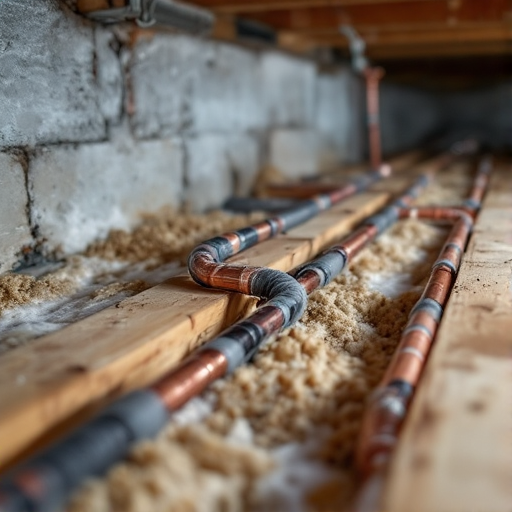
Insulate exposed pipes in unheated areas like crawl spaces, attics, garages, and exterior walls. Foam pipe insulation is inexpensive and easy to install, providing crucial protection during cold snaps. Pay special attention to pipes on exterior walls and in areas where you've experienced freezing in previous winters. Check the insulation around your water heater and consider adding a water heater blanket if your unit is located in an unheated garage or basement. This simple addition improves efficiency and reduces energy costs during the heating season. Inspect your water heater's pressure relief valve by lifting the lever slightly to ensure it's functioning properly. A stuck valve can lead to dangerous pressure buildup or, conversely, a leaking valve wastes water and can cause damage to surrounding areas.
Fall is also the time to locate and test your main water shutoff valve. In an emergency, you need to know exactly where this valve is and confirm it operates smoothly. Valves that haven't been turned in years can seize, making them impossible to close when you need them most. Clean out gutters and downspouts to ensure proper drainage away from your foundation, which helps prevent basement seepage and protects underground plumbing from frost heave.
Winter Plumbing Protection: Freeze Prevention and Emergency Readiness
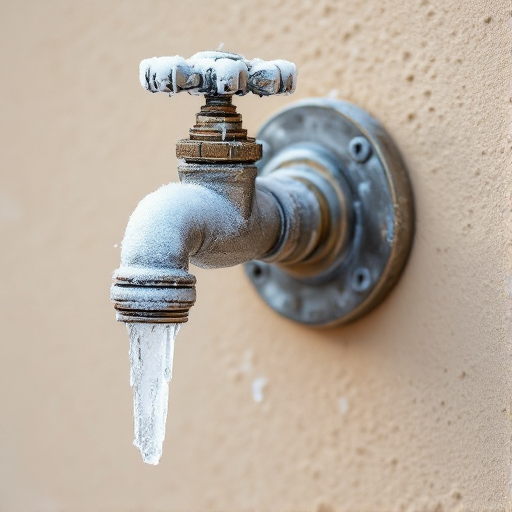
Longmont winters can bring extended periods of sub-zero temperatures, and frozen pipes are among the most common and expensive plumbing emergencies we respond to at Mayer Plumbing. When temperatures drop below twenty degrees, open cabinet doors under sinks on exterior walls to allow warm air circulation around pipes. Let faucets drip slightly during extreme cold snaps, as moving water is much less likely to freeze than standing water. Even a trickle can prevent a freeze that leads to burst pipes and thousands of dollars in water damage.
Keep your thermostat set to at least fifty-five degrees even when you're away from home. The money you save on heating costs is nothing compared to the expense of repairing burst pipes and water damage. If you're leaving town during winter, consider shutting off your main water supply and draining your pipes completely, or ask a trusted neighbor to check your home daily. Know where your main water shutoff is located and make sure everyone in your household knows how to turn it off quickly. In the event of a burst pipe, shutting off the water immediately can mean the difference between minor damage and a catastrophic flood.
Watch for warning signs of frozen pipes, including reduced water flow from faucets, unusual sounds when water is running, or frost visible on exposed pipes. If you suspect a frozen pipe, never use an open flame to thaw it. Instead, apply gentle heat using a hairdryer or heating pad, working from the faucet back toward the frozen section. If you can't locate the freeze or if a pipe has already burst, shut off your main water supply immediately and call for emergency plumbing service. Winter is also hard on water heaters due to increased demand and colder incoming water temperatures. If you notice inconsistent hot water or unusual noises from your water heater during winter, schedule an inspection before a minor issue becomes a complete failure.
When to Schedule a Professional Inspection
While homeowners can handle many seasonal maintenance tasks, professional plumbing inspections provide peace of mind and catch problems before they become emergencies. We recommend scheduling a comprehensive plumbing inspection annually, ideally in fall before winter's harsh conditions test your system. A professional inspection includes checking for hidden leaks, testing water pressure, inspecting your water heater for signs of failure, examining exposed pipes for corrosion, testing your sump pump and drainage systems, and identifying potential freeze risks specific to your home's construction and plumbing layout.
You should also call a professional plumber immediately if you notice sudden changes in water pressure, unexplained increases in your water bill, persistent drain clogs, discolored water, unusual sounds from your plumbing system, or visible signs of moisture or water damage. These symptoms often indicate problems that will worsen if left unaddressed. Homes with older plumbing systems, particularly those with galvanized steel pipes common in Longmont's older neighborhoods, benefit from more frequent inspections as these materials are prone to corrosion and failure. Similarly, if your water heater is more than eight years old, annual professional inspections can help you plan for replacement before an emergency failure leaves you without hot water.
Protect Your Longmont Home Year-Round
Seasonal plumbing maintenance is an investment in your home's longevity and your family's comfort. By following this checklist and staying alert to your plumbing system's condition throughout the year, you'll avoid most emergency situations and extend the life of your fixtures, pipes, and water heater. Our team at Mayer Plumbing has helped countless Longmont and Boulder County homeowners protect their properties through proactive maintenance and responsive service when problems do arise. Whether you need a comprehensive seasonal inspection, emergency repairs, or guidance on winterizing your home's plumbing, we're here to help with the reliable, professional service our community has trusted for years. Call (303) 532-7597 or visit us online to get started.



