

Is It a Main Sewer Line Problem or Just a Clogged Drain?

In This Article
When water starts backing up in your home, it's natural to feel concerned. Is this a simple clog you can handle yourself, or something more serious happening deep in your plumbing system? For Longmont homeowners, understanding the difference between a localized drain clog and a main sewer line problem can save thousands of dollars in water damage repairs and help you respond appropriately to what might be an urgent situation. The good news is that there are clear warning signs that point to each type of problem, and knowing what to look for helps you make informed decisions about your home's plumbing health.
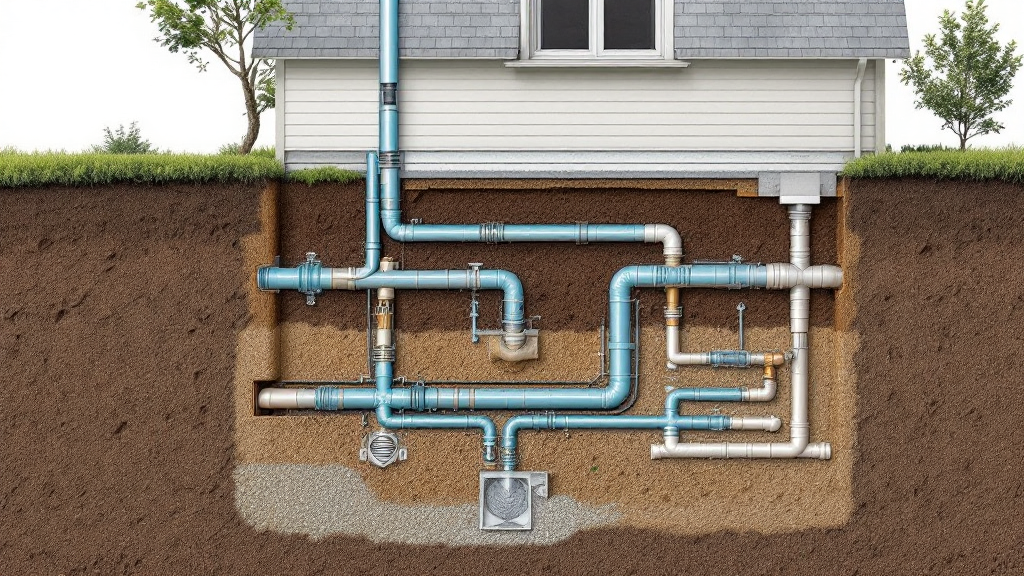
Understanding the Difference Between Drain Clogs and Main Line Issues
A single drain clog affects just one fixture in your home. When you have a clogged kitchen sink, for example, water backs up in that sink alone while your toilets, showers, and other drains continue working normally. These localized clogs typically happen close to the fixture itself, often within the trap or the branch line that connects that specific drain to your home's larger plumbing system. They're usually caused by accumulated hair, soap scum, food particles, grease buildup, or objects that shouldn't have gone down the drain in the first place.
A main sewer line problem is fundamentally different and far more serious. Your main sewer line is the large pipe that carries all wastewater from your home to the municipal sewer system or septic tank. When this critical pipe becomes blocked, damaged, or compromised, it affects multiple fixtures throughout your house because every drain in your home ultimately connects to this single exit point. Main line issues require professional attention and can't be resolved with a plunger or drain snake from the hardware store. In Longmont, where many neighborhoods feature mature trees and aging infrastructure, main sewer line problems are more common than many homeowners realize.
Clear Signs You're Dealing With a Main Sewer Line Problem
Multiple fixtures backing up simultaneously is the most telling sign of a main sewer line issue. If flushing your upstairs toilet causes your downstairs shower to gurgle or back up, or if running your washing machine makes sewage appear in your basement floor drain, you're almost certainly dealing with a main line blockage. This happens because when the main line is obstructed, wastewater has nowhere to go and seeks the path of least resistance, which is often back up through the lowest drains in your home.
Persistent gurgling sounds from toilets when you use other fixtures indicate air trapped in your plumbing system due to a main line restriction. You might hear these sounds when running the washing machine, draining the bathtub, or using the kitchen sink. The gurgling occurs because water trying to drain is encountering resistance in the main line, creating air bubbles that travel back through your system.
Sewage odors inside or outside your home, particularly near cleanout access points or foundation walls, signal a serious problem. A properly functioning sewer line is airtight and shouldn't allow sewer gases to escape. When you smell sewage, it often means the main line has a crack, break, or severe blockage causing gases or even wastewater to leak. In Longmont's clay soils, ground movement and settling can stress older sewer pipes, leading to cracks that release these unmistakable odors.
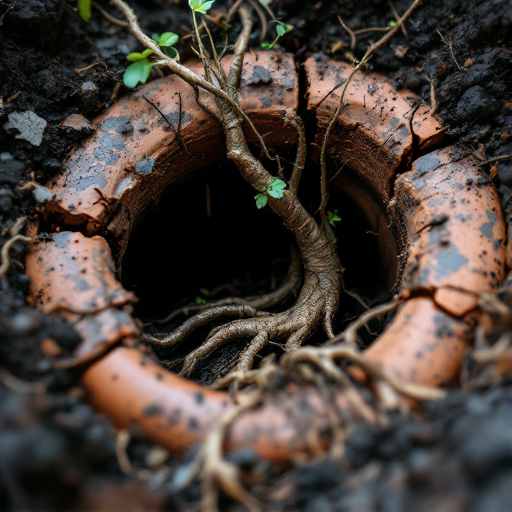
Water pooling in your yard above the sewer line path, especially with a sewage smell or unusually lush grass growth in that area, indicates a leak or break in the main line. Tree roots are particularly problematic in established Longmont neighborhoods where mature cottonwoods, willows, and other water-seeking trees can infiltrate even small cracks in sewer pipes, eventually causing major blockages or complete pipe failure.
Signs That Point to a Simple Localized Clog
When only one fixture drains slowly or backs up while everything else works normally, you're likely dealing with a localized clog. A bathroom sink that drains slowly while your toilet, shower, and other sinks work fine indicates a blockage in that specific drain line. Similarly, if your kitchen sink backs up but your bathroom fixtures are unaffected, the problem is isolated to that branch of your plumbing system.
The clog responds to basic clearing methods like plunging or using a drain snake. If you can restore normal drainage with these simple tools, the blockage was shallow and localized rather than deep in your main line. However, if the problem returns quickly after clearing, it might indicate a partial main line obstruction or a more complex issue that needs professional diagnosis.
You can often identify what caused a localized clog based on the fixture and recent usage. Bathroom sinks and showers commonly clog from accumulated hair and soap residue. Kitchen sinks typically clog from grease, food particles, and coffee grounds. Toilets clog from excessive toilet paper or items that shouldn't be flushed. Understanding these patterns helps you prevent future clogs through better habits and regular maintenance.
Longmont's hard water, which contains high mineral content from Boulder County's groundwater sources, can contribute to gradual buildup inside drain pipes over time. This mineral accumulation narrows pipes and creates rough surfaces where hair, soap, and debris catch more easily. While hard water buildup happens throughout your plumbing system, it typically causes localized slow drains rather than sudden complete blockages in the main line.
When It Becomes an Emergency
Sewage backing up into your home through toilets, showers, or floor drains constitutes a plumbing emergency that requires immediate professional response. Raw sewage contains dangerous bacteria, viruses, and pathogens that pose serious health risks to your family and pets. Beyond health concerns, sewage backup can quickly damage flooring, walls, carpets, and personal belongings. Every minute counts when sewage is entering your living space.
Stop using all water in your home immediately when you suspect a main line backup. Every time someone flushes a toilet, runs a faucet, or uses an appliance that drains water, you're adding more wastewater to a system that has nowhere to go. This additional water will force more sewage back into your home through the lowest drain points, typically basement floor drains or ground-level showers and toilets.
Water damage to your foundation is another emergency concern with main sewer line breaks. When a broken sewer pipe leaks beneath or near your foundation, the constant moisture can erode soil, create voids, and compromise structural stability. In Longmont's freeze-thaw climate, water infiltration around foundations becomes especially problematic during winter months when freezing water expands and can cause additional cracking and damage.
Our team at Mayer Plumbing provides 24/7 emergency service because we understand that sewer line problems don't wait for convenient business hours. We've responded to countless emergency calls throughout Longmont, Berthoud, and surrounding Boulder County communities, and we know that fast response prevents minor problems from becoming major disasters. When you're facing a potential sewer emergency, don't wait until morning or after the weekend—immediate professional help protects your home and your family's health.
How a Professional Diagnoses the Problem
Modern sewer camera inspection technology allows us to see exactly what's happening inside your pipes without destructive digging or guesswork. We insert a specialized waterproof camera attached to a flexible cable into your sewer line through an existing cleanout access point. This camera transmits real-time video as it travels through your pipes, revealing blockages, cracks, root intrusion, pipe corrosion, bellied sections where pipes have sagged, and other issues that affect drainage.
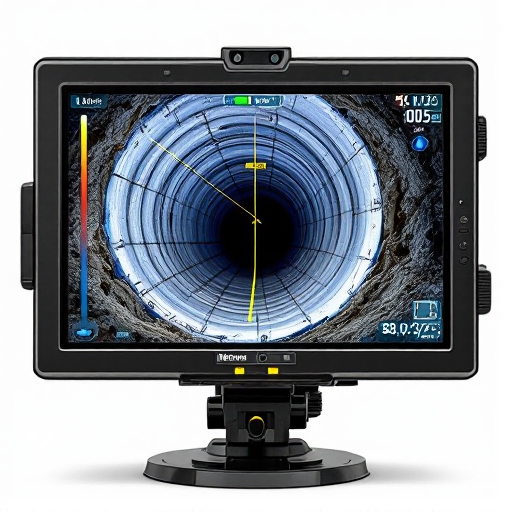
The camera inspection process is remarkably informative and typically takes less than an hour. We can determine the exact location and nature of the problem, which helps us recommend the most effective and cost-efficient solution. For example, if we find a localized blockage from root intrusion at a pipe joint, we might clear it with hydro-jetting and recommend preventive root treatment. If the camera reveals extensive pipe deterioration throughout the line, replacement might be the better long-term solution.
During diagnosis, we also evaluate your home's plumbing history and the specific symptoms you've experienced. The pattern of backups, which fixtures are affected, how long problems have been occurring, and what you've already tried all provide valuable diagnostic clues. In older Longmont neighborhoods with original cast iron or clay sewer pipes installed 50-70 years ago, we often find that aging infrastructure is the underlying issue, even when tree roots or other factors triggered the immediate problem.
Professional diagnosis also includes checking for proper venting, assessing drain slopes, and ensuring your plumbing system meets current code requirements. Sometimes what appears to be a clog or main line issue is actually a venting problem that prevents proper drainage, or inadequate slope in drain lines that allows debris to accumulate. Our thorough diagnostic approach ensures we address the actual problem rather than just treating symptoms, which saves you money and prevents recurring issues.
Get Expert Help From Longmont's Trusted Plumbing Team
Whether you're dealing with a stubborn drain clog or suspect a more serious main sewer line problem, Mayer Plumbing has the experience, equipment, and local knowledge to diagnose and resolve your issue quickly. Don't ignore warning signs or wait for a minor problem to become an emergency. Call (303) 532-7597 or visit us online to get started.



