

How Long Does a Water Heater Last and When Should You Replace It

In This Article
- 1How Long Should Your Water Heater Last in Longmont
- 2Clear Signs Your Water Heater Needs Replacement, Not Repair
- 3What to Expect During Water Heater Replacement with Mayer Plumbing
- 4Choosing the Right Replacement Water Heater for Your Longmont Home
- 5Get Expert Water Heater Guidance from Your Local Longmont Plumber
There's nothing quite like the frustration of stepping into a shower that starts hot, turns lukewarm, then goes cold halfway through. Or discovering your morning routine disrupted because there's barely enough hot water for one person, let alone a whole family. If your water heater has been acting up, you're probably facing a stressful question: should you repair it one more time, or is it finally time to replace it? Many Longmont homeowners wrestle with this decision, worried about spending money on repairs that won't last or, worse, waiting too long and facing an emergency replacement in the middle of winter. The truth is, knowing when your water heater has reached the end of its useful life can save you money, stress, and cold showers. Let's walk through everything you need to know to make a confident decision about your aging water heater.
How Long Should Your Water Heater Last in Longmont
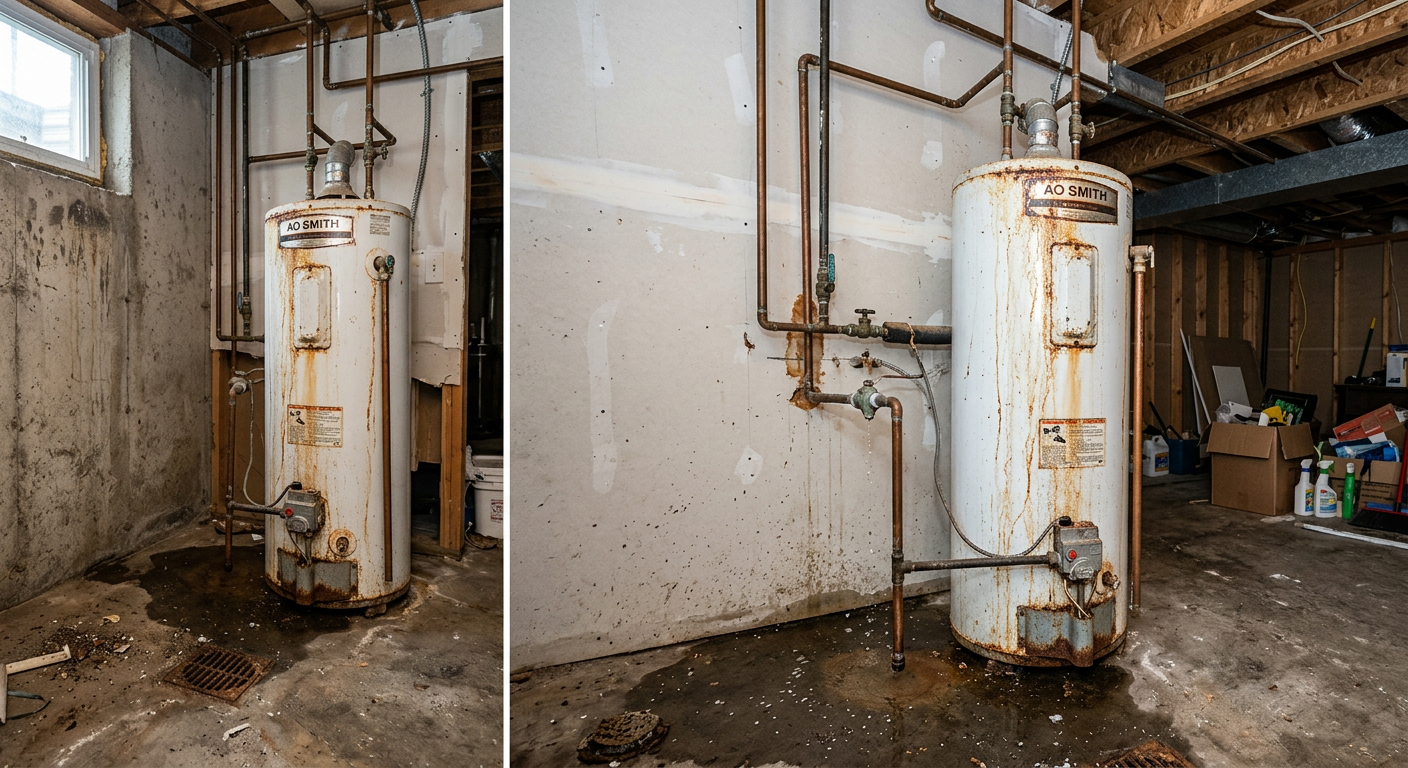
The national average lifespan for a traditional tank water heater is typically quoted at 8 to 12 years, while tankless models can last 15 to 20 years with proper maintenance. However, these numbers don't tell the whole story for Longmont and Boulder County homeowners. Our local water conditions play a significant role in how long your unit will actually last. Longmont's water supply contains higher levels of minerals, particularly calcium and magnesium, which create hard water conditions throughout the area. These minerals accumulate as sediment at the bottom of tank water heaters, causing the unit to work harder and wear out faster than it would in areas with softer water.
In our experience serving Longmont homes, we often see tank water heaters showing serious signs of wear around the 8 to 10 year mark, rather than making it to that 12-year upper range. The mineral buildup doesn't just shorten lifespan; it also reduces efficiency, meaning your unit uses more energy to heat the same amount of water. Tankless water heaters fare somewhat better against hard water, but they're not immune. The heat exchangers in tankless units can develop scale buildup that reduces performance and requires professional descaling. If you've never had your water heater flushed or maintained, expect it to fall on the shorter end of the lifespan spectrum. Location matters too. A water heater in a cold garage or unheated basement works harder during Colorado winters than one in a conditioned space, potentially shaving years off its life.
Clear Signs Your Water Heater Needs Replacement, Not Repair
Age is just one factor in the replacement decision. Even a relatively young water heater might need replacement if it's showing certain warning signs, while a well-maintained older unit might have some life left. The key is recognizing when repairs no longer make financial sense. As a general rule, if your water heater is over 10 years old and needs a repair that costs more than one-third the price of a new unit, replacement is usually the smarter investment. But there are other telltale signs that your water heater is living on borrowed time.
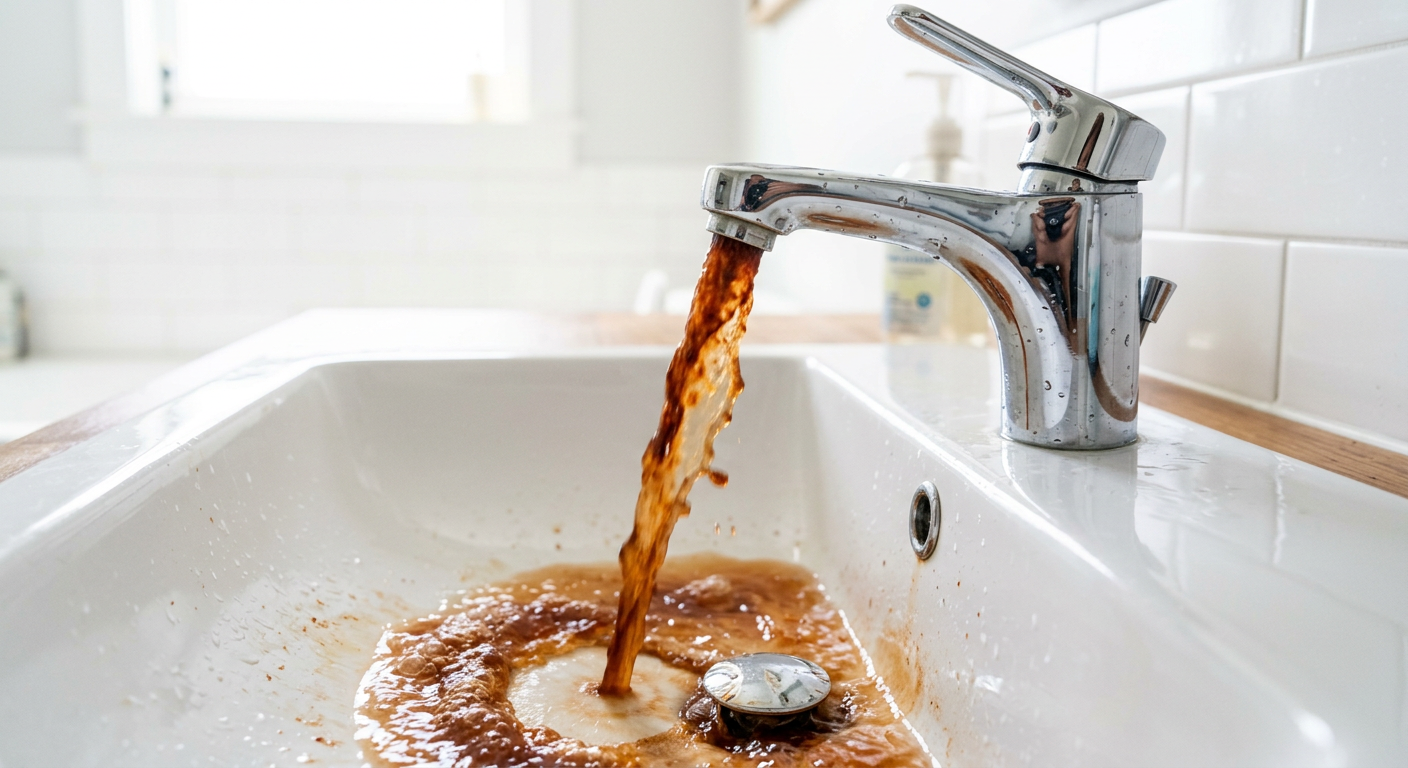
Rust-colored or brownish water coming from your hot water taps is a serious red flag. While this can sometimes indicate corroded pipes, if it only happens with hot water, the corrosion is likely inside your water heater tank. Once a tank starts rusting from the inside, there's no effective repair—it's only a matter of time before it leaks. Speaking of leaks, any moisture or pooling water around the base of your tank water heater typically means the inner tank has developed a crack or hole. This isn't something that can be patched. If you're calling for repairs more than once a year, those costs add up quickly, and you're essentially paying to keep a failing system limping along. Rising energy bills without a corresponding increase in usage often indicate your water heater is losing efficiency, working overtime to provide the same hot water it used to deliver easily. Strange noises like loud popping, banging, or rumbling sounds usually mean significant sediment buildup is causing the tank to overheat. Finally, if you're constantly running out of hot water when you didn't before, the heating elements or burner may be failing, or sediment is taking up space that should hold hot water.
What to Expect During Water Heater Replacement with Mayer Plumbing
Understanding the replacement process helps eliminate anxiety and lets you plan accordingly. When you call our team at Mayer Plumbing, we start with an honest assessment of your current water heater and your household's hot water needs. We'll discuss whether a like-for-like replacement makes sense or if this is a good opportunity to upgrade to a more efficient model or different type of system. Once you've decided on the right unit, we handle all the details, including securing the necessary permits.
In Longmont, water heater replacement requires a permit from the city's Building Safety Division, and the work must meet current plumbing and energy codes. We pull these permits as part of our service, ensuring everything is done to code and properly inspected. The actual installation typically takes 4 to 6 hours for a standard tank replacement, or a full day for tankless installations, which are more complex. Before we arrive, you'll want to clear a path to your current water heater and remove any items stored nearby. If we're installing in a garage or basement, make sure we have vehicle access for unloading the new unit—water heaters are heavy and awkward to maneuver. We'll shut off your water and gas or electricity, drain and disconnect the old unit, remove it from your home, and install the new water heater with all required safety features including proper venting, temperature and pressure relief valves, and seismic straps. After installation, we test the system thoroughly and walk you through basic maintenance. The city inspector will then verify the work meets code requirements. You'll typically be without hot water for just the installation day, and we always clean up completely before we leave, hauling away your old unit for proper disposal.
Choosing the Right Replacement Water Heater for Your Longmont Home
Replacement time is your opportunity to get a water heater that's properly sized and suited to your home's specific needs. The right choice depends on several factors unique to your household and Colorado's conditions. For tank water heaters, capacity matters. A 40-gallon tank typically serves 1-2 people, 50 gallons works for 2-3 people, and families of 4 or more usually need 65-80 gallons. However, if you have a large soaking tub or multiple bathrooms in use simultaneously, you might need more capacity than these guidelines suggest. Undersizing leads to constant complaints about running out of hot water, while oversizing wastes energy heating water you don't use.
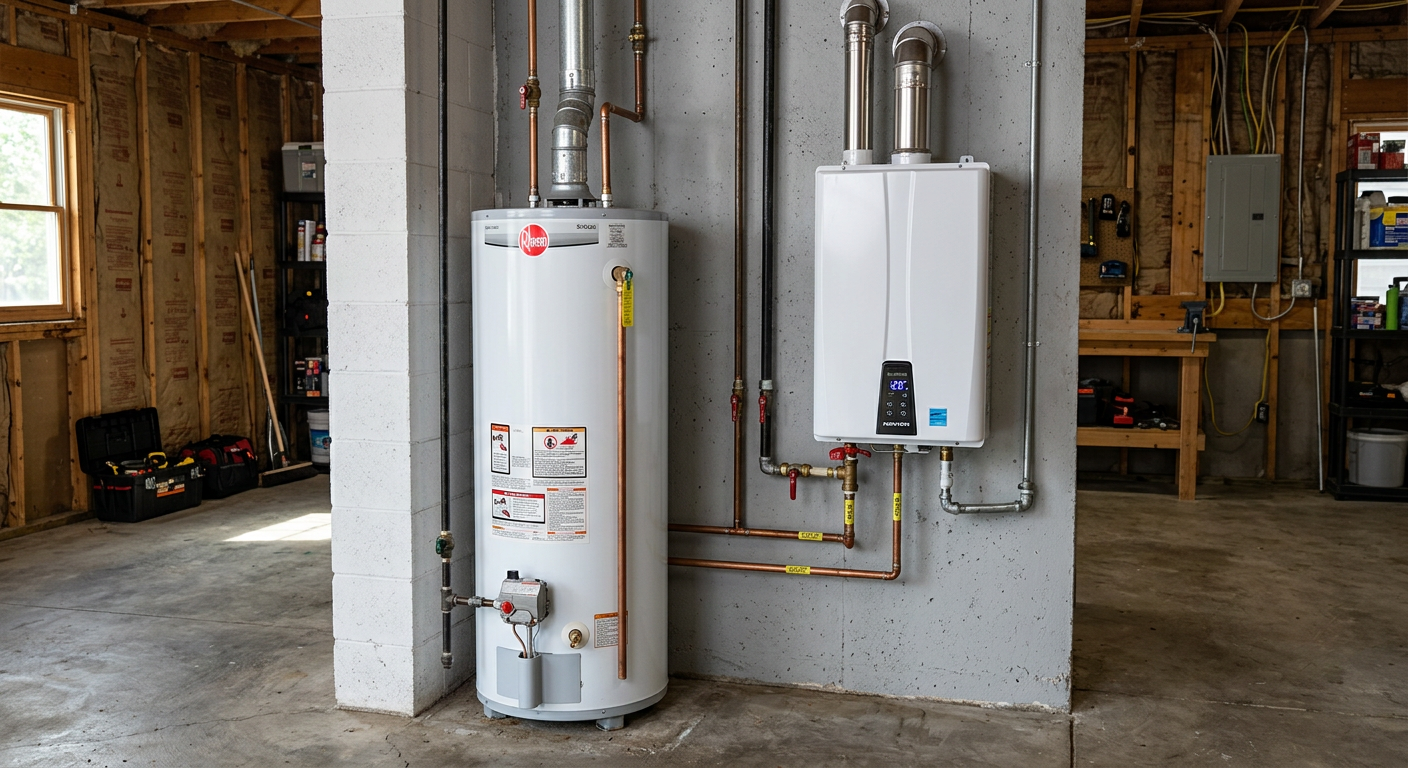
Fuel type is another consideration. If you currently have a gas water heater and gas is available, it's usually the most cost-effective option for operating costs, though electric models have lower upfront costs and simpler installation requirements. Heat pump water heaters offer exceptional efficiency but work best in spaces that stay above 40 degrees year-round, which can be challenging in unheated Colorado basements or garages. Tankless water heaters generate significant interest from homeowners looking to save space and reduce energy bills. They provide endless hot water and last longer than tank models, but they're not ideal for every situation. In Longmont, the hard water conditions mean tankless units require annual professional descaling to prevent mineral buildup from destroying the heat exchanger. They also have higher upfront costs—typically two to three times the price of a comparable tank system when you factor in installation. Tankless units work well for smaller households with predictable usage patterns, but large families who might run multiple showers, dishwashers, and washing machines simultaneously may need multiple tankless units or a very large single unit to meet peak demand. Our team can calculate your home's peak hot water demand and recommend whether tankless makes sense for your specific situation, or if a high-efficiency tank model offers better value for your Longmont home.
Get Expert Water Heater Guidance from Your Local Longmont Plumber
Deciding whether to repair or replace your water heater doesn't have to be stressful when you have experienced local guidance. Our team at Mayer Plumbing has helped countless Longmont and Boulder County homeowners make this decision with confidence, and we're here to give you honest recommendations based on your specific situation, not a sales pitch. Call (303) 532-7597 or visit us online to get started.



