

Emergency Plumbing Strategies: When to Call a Longmont Plumber

In This Article
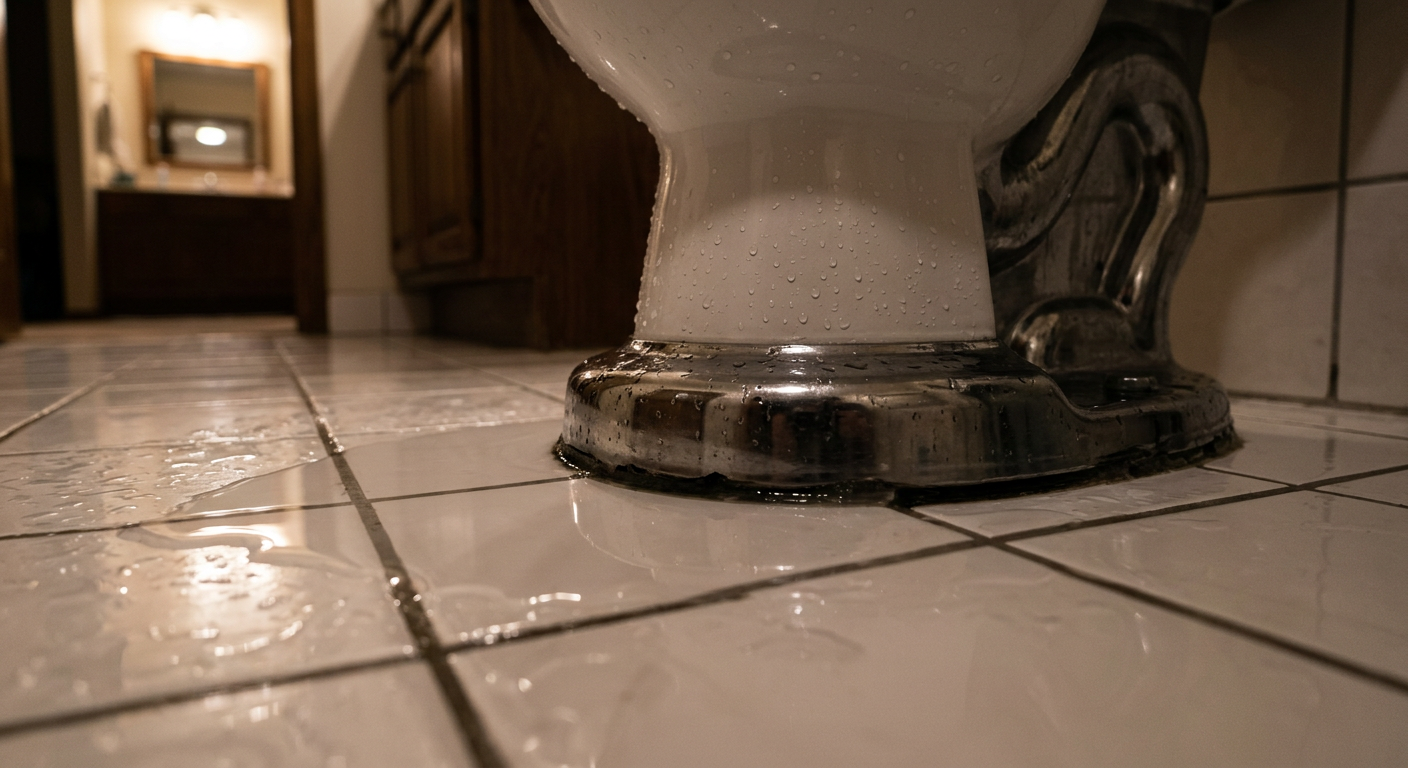
It's 10 p.m. on a Saturday night, and you're standing in your bathroom staring at a puddle of water spreading across the tile. Your mind races: Is this a real emergency? Should I call a plumber right now and pay weekend rates, or can this wait until Monday morning? Will waiting make things worse? Every Longmont homeowner faces this stressful moment eventually, and the decision you make in the next few minutes can mean the difference between a simple repair and thousands of dollars in water damage. The good news is that with the right information, you can confidently assess your situation and take the appropriate action. Understanding which plumbing problems demand immediate professional attention and which ones can safely wait is an essential skill that protects both your home and your budget.
Five Warning Signs That Always Mean a Plumbing Emergency
Some plumbing situations leave no room for debate. If you notice sewage backing up into your home through drains, toilets, or shower fixtures, you're facing a genuine emergency that poses serious health risks to your family. Raw sewage contains harmful bacteria and pathogens that can cause illness, and the contamination spreads quickly through porous materials like carpet, drywall, and wood. Similarly, a burst pipe flooding your home requires immediate action. Even a moderate flow can dump dozens of gallons per hour into your living space, saturating insulation, damaging electrical systems, and creating conditions for mold growth within 24 to 48 hours.
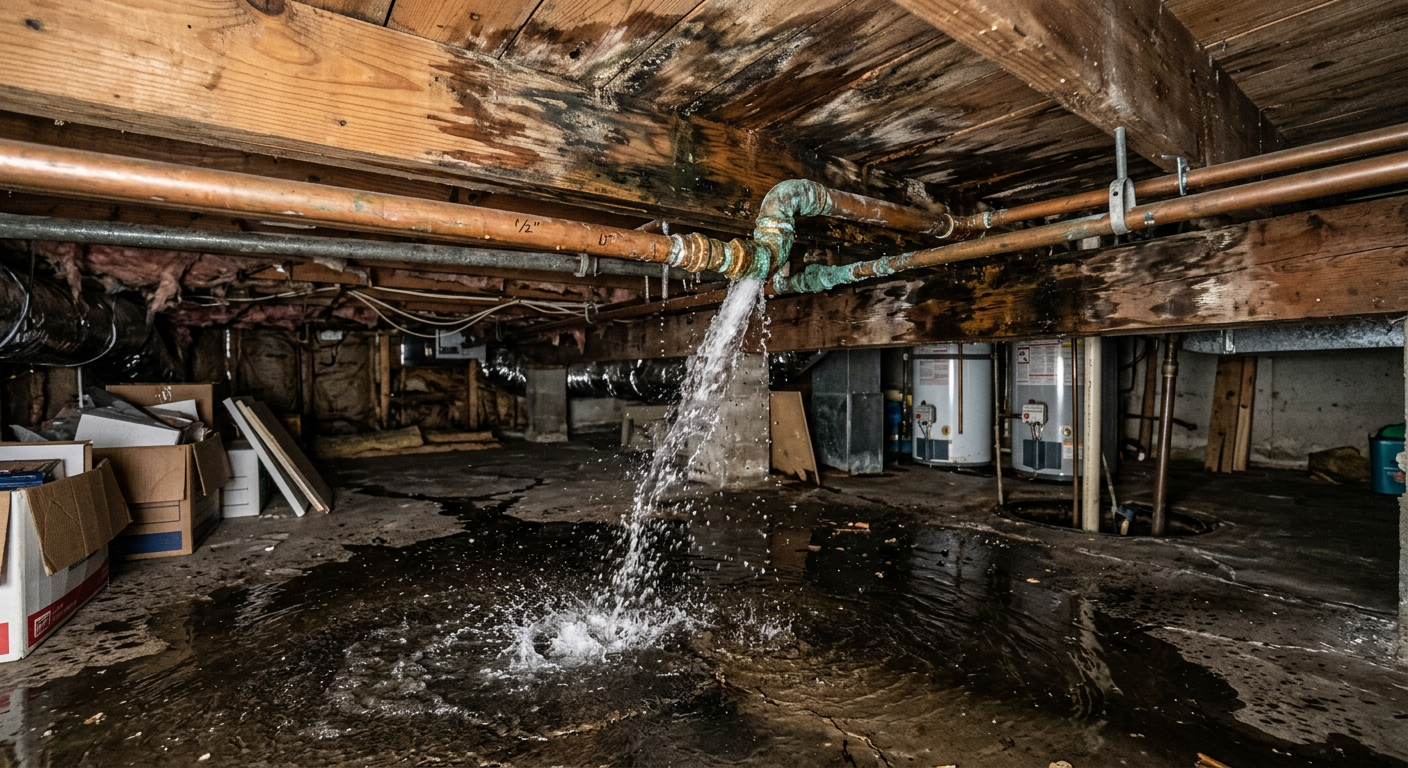
If your entire home suddenly has no water, especially during Boulder County's freezing winter months, you may be dealing with a frozen main line that could burst as it thaws. A complete loss of water also means no functioning toilets, which becomes a health and sanitation issue quickly. Perhaps the most dangerous sign is detecting a gas smell near your water heater or any gas-powered plumbing appliance. Natural gas leaks can lead to explosions or carbon monoxide poisoning. If you smell that distinctive rotten egg odor, evacuate your home immediately, call 911 from outside, and then contact our emergency plumbing team. Finally, water pooling around your water heater, especially if it's actively gushing or the tank appears swollen, indicates imminent tank failure that can release 40 to 80 gallons of water into your home in minutes.
The Hidden Dangers of Waiting Too Long
When homeowners hesitate to call for emergency plumbing help, they often believe they're saving money by avoiding after-hours service rates. Unfortunately, this calculation frequently backfires in expensive ways. Water damage follows a predictable and accelerating timeline. Within the first hour, water begins soaking into flooring, baseboards, and wall cavities. By hour six, drywall starts to swell and furniture begins absorbing moisture. Within 24 hours, mold spores that are naturally present in every home find the perfect damp environment to begin colonizing. Once mold establishes itself, you're no longer dealing with just a plumbing repair but also a mold remediation project that can cost thousands of dollars and require specialized contractors.
Structural damage is another concern that escalates with time. Water weakens wood framing, causes subflooring to delaminate, and can compromise the structural integrity of walls and ceilings. We've seen situations in Longmont homes where a relatively minor leak that went unaddressed for a weekend resulted in ceiling collapse and damaged floor joists that required extensive carpentry work. The financial impact extends beyond repair costs. Many insurance policies have specific requirements about mitigating water damage promptly, and waiting too long to address a known problem can result in claim denials. What might have been a $300 emergency service call can balloon into a $10,000 restoration project involving flooring replacement, drywall repair, mold treatment, and structural repairs. Our team has responded to countless emergencies where homeowners told us they wished they'd called immediately instead of hoping the problem would somehow stabilize on its own.
Common Situations That Feel Urgent But Can Wait
Not every plumbing problem requires an immediate emergency call, and knowing the difference helps you make cost-effective decisions. A single clogged drain, while annoying, typically doesn't constitute an emergency if you have other functioning drains in your home. If your kitchen sink won't drain but your bathroom sinks work fine, you can usually wait until regular business hours. Simply stop using the affected fixture and place a bucket underneath if there's a slow drip. A running toilet is another situation that feels wasteful and sounds alarming but rarely requires emergency service. While it does waste water and increase your bill, you can usually shut off the water supply valve behind the toilet and wait for a standard appointment.
A dripping faucet, even one that's gotten suddenly worse, can typically wait a day or two. Place a bowl or towel underneath to catch the drips and reduce the annoying sound. Low water pressure throughout your home might indicate a problem with your pressure regulator or mineral buildup in pipes, but unless it's accompanied by other symptoms like discolored water or complete loss of pressure, it's not an emergency. For these situations that can wait, there are simple temporary measures you can take. Locate and label your home's main water shutoff valve before you ever need it. In Longmont's older neighborhoods near downtown, these are often in basements or crawl spaces. For newer subdivisions in areas like Prospect or Sunset, they're frequently in the garage or on an exterior wall. Knowing where this valve is located and how to operate it gives you the power to stop water flow to your entire home if a situation begins to worsen while you wait for regular business hours.
What to Expect When You Call Mayer Plumbing for an Emergency
When you reach out to our team for emergency plumbing service, we understand you're already stressed, so we've designed our response process to be as straightforward and reassuring as possible. First, you'll speak with a real person who understands plumbing emergencies, not an answering service reading from a script. We'll ask you specific questions to assess the situation: Where is the water coming from? Have you been able to shut off any water supply? Is there active flooding? Are there any electrical hazards near the water? This information helps us prioritize the response and ensure our plumber arrives with the right equipment and parts.
For genuine emergencies in Longmont and throughout Boulder County, we prioritize rapid response times. Our goal is to have a qualified plumber at your door as quickly as possible, typically within an hour or two depending on your location and current weather conditions. While en route, we may provide guidance on immediate steps you can take to minimize damage, such as shutting off specific valves, moving belongings away from water, or placing towels and buckets strategically. When our plumber arrives, the first priority is always stopping the immediate crisis—shutting off water flow, containing flooding, or making the situation safe. Only then do we assess what caused the problem and discuss repair options with you.
We provide clear, upfront pricing even during emergencies. You'll know the cost before we begin permanent repairs, and we'll explain your options if there are multiple ways to address the problem. Some emergency situations can be fully resolved during the initial visit, while others may require temporary stabilization followed by more extensive work during regular hours. We'll always be honest about what needs to happen immediately versus what can wait. Having certain information ready when you call helps us serve you more efficiently: your home's age, whether you have a basement or crawl space, what type of water heater you have, and whether you've noticed any other plumbing issues recently. But don't worry if you don't know these details—we'll figure it out together.
Get Fast, Reliable Emergency Plumbing Help in Longmont
When a plumbing emergency strikes your Longmont home, you need a local team that responds quickly and gets the job done right the first time. Mayer Plumbing provides 24/7 emergency service throughout Boulder County because we know that burst pipes and sewage backups don't wait for convenient business hours. Call (303) 532-7597 or visit us online to get started.



