Drain Backing Up in Your Longmont Home? Here's What to Do Right Now

In This Article
There's nothing quite like the sinking feeling you get when you watch water refuse to drain from your sink, tub, or toilet. What starts as slow drainage can quickly escalate into standing water, unpleasant odors, or worse—sewage backing up into your home. For Longmont homeowners, a backed-up drain isn't just inconvenient; it's stressful, unsanitary, and potentially damaging to your property. The good news is that taking the right steps immediately can prevent a minor clog from becoming a major disaster. Whether you're dealing with a single stubborn fixture or signs of a more serious sewer line issue, knowing what to do right now will save you time, money, and a lot of frustration.
Is It Just One Drain or Your Whole System?
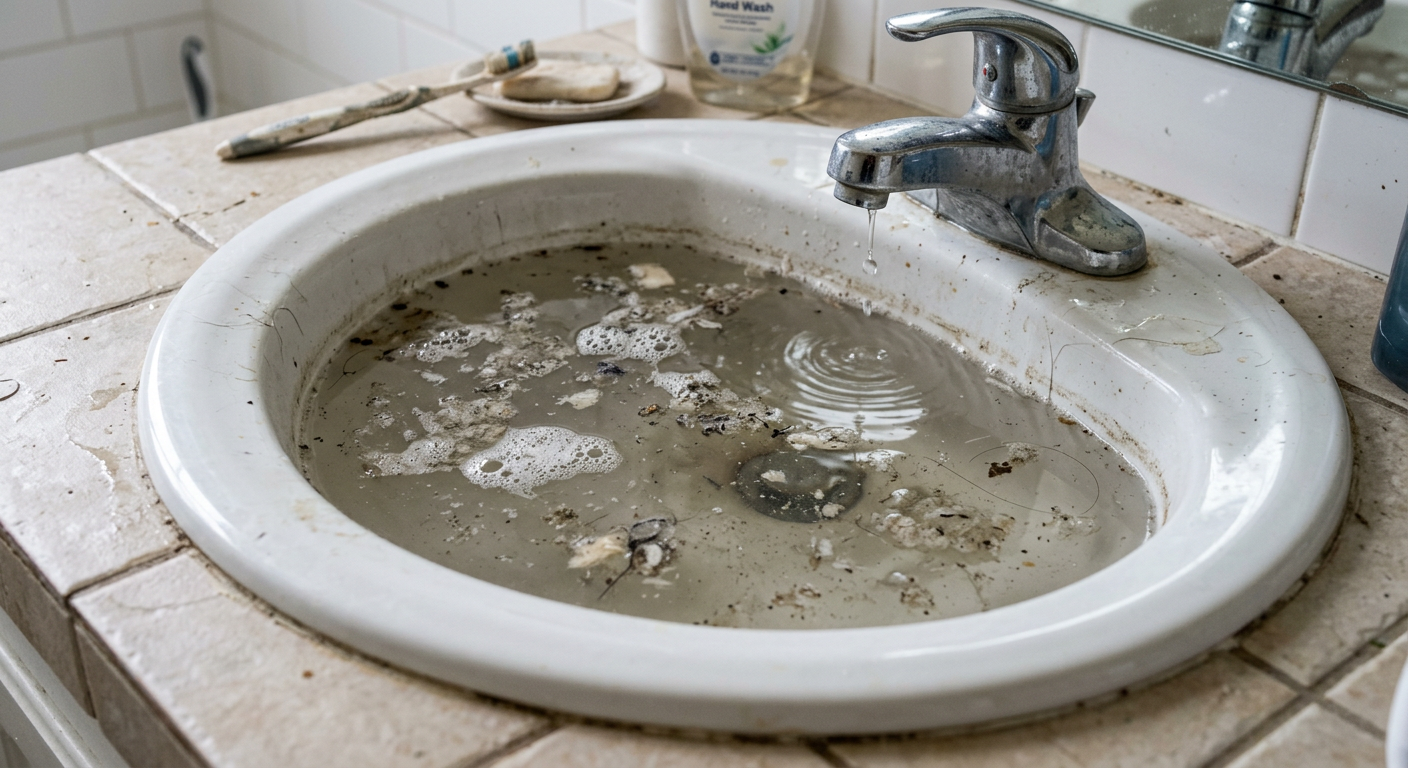
The first thing you need to determine is whether you're dealing with a localized clog in a single fixture or a backup affecting your main sewer line. This distinction is critical because it tells you how urgent the situation is and what kind of solution you'll need. If only one sink, toilet, or shower is draining slowly or backing up, you're likely dealing with a clog in that specific drain pipe. These isolated clogs are usually caused by accumulated hair, soap scum, food particles, or foreign objects that have become lodged in the pipe.
However, if multiple fixtures throughout your home are backing up simultaneously—especially on the lower levels—you may have a main sewer line blockage. Common signs include toilets gurgling when you run the washing machine, water backing up in the basement floor drain, or multiple drains failing at once. In Longmont, aging cast iron and clay sewer pipes are particularly vulnerable to tree root intrusion, especially from cottonwoods and willows common in our area. Hard water mineral deposits can also narrow pipes over time, making blockages more likely. Check your lowest drains first, like basement floor drains or ground-level toilets, since sewer line backups typically affect these areas before upper-level fixtures.
Immediate Steps to Take Before Calling a Plumber
Once you've identified that you have a drain backup, your next moves are crucial. First and most importantly, stop using all water fixtures connected to the affected drain system. Every time you flush a toilet, run a faucet, or start the dishwasher, you're adding more water to an already blocked system, which increases the risk of overflow and water damage. If you suspect a main sewer line issue, avoid using any plumbing in your home until the problem is resolved.
If water is actively backing up, locate and turn off the water supply to the affected fixture. For toilets, turn the valve behind the base clockwise. For sinks, shut off the valves under the sink. If you can't find individual shutoffs or if multiple fixtures are involved, you may need to turn off your home's main water supply. Remove any standing water you can safely access using a wet-dry vacuum, buckets, or towels to minimize damage to floors and belongings.
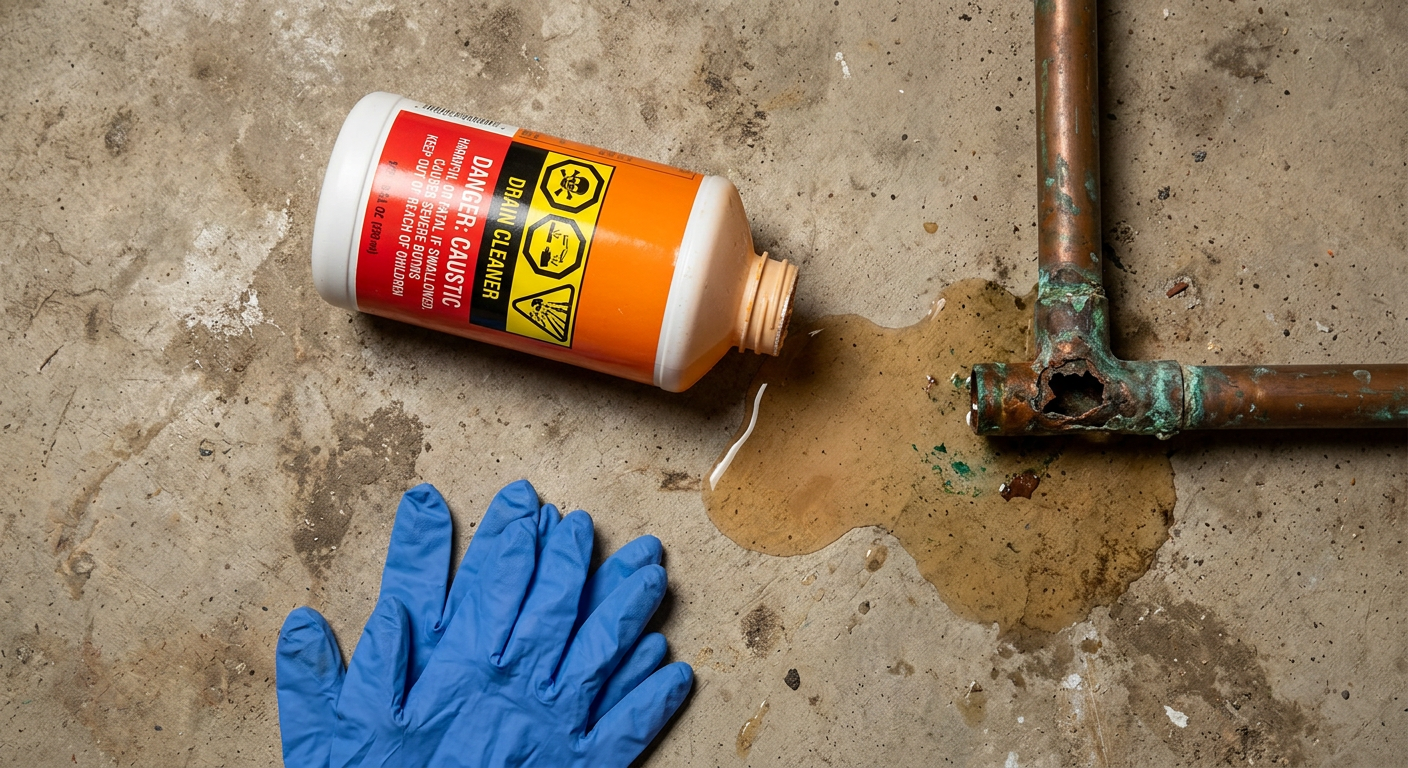
Here's what you should absolutely not do: resist the temptation to use chemical drain cleaners. These products contain caustic substances that can damage your pipes, especially older galvanized steel or copper lines common in Longmont homes built before 1980. They're also hazardous to handle, create toxic fumes, and often provide only temporary relief while the underlying blockage remains. Chemical cleaners can make a plumber's job more dangerous by leaving corrosive residue in the pipes. Similarly, avoid excessive plunging or using drain snakes if you're not experienced—you could push the clog deeper or even puncture older pipes. Instead, focus on containment and damage control while you arrange for professional help.
When Your Drain Backup Is a True Emergency
Not all drain backups require immediate emergency service, but some situations absolutely do. You need same-day plumbing help if you have sewage backing up into your home, especially in living areas like bathrooms, kitchens, or basements. Raw sewage contains harmful bacteria, viruses, and parasites that pose serious health risks to your family and pets. Any exposure to sewage requires immediate cleanup and professional remediation to prevent illness and contamination.
You should also call for emergency service if water is backing up rapidly and you cannot stop the flow, creating risk of significant property damage. Flooding from plumbing backups can quickly damage flooring, drywall, furniture, and personal belongings, and can lead to mold growth within 24-48 hours. If your backup is affecting multiple fixtures throughout the house, this indicates a main sewer line blockage that won't resolve on its own and will only worsen with time.
Other emergency warning signs include strong sewage odors throughout your home, water backing up when you flush any toilet, or gurgling sounds coming from multiple drains simultaneously. In Longmont's older neighborhoods near downtown or around areas with mature trees, tree root intrusion into sewer lines is a common culprit that requires professional equipment to resolve. During winter months, frozen sewer vents or pipes can also cause sudden backups. If you're experiencing any of these emergency situations, don't wait—the longer sewage sits in your home, the more damage it causes and the more expensive cleanup becomes.
How We Diagnose and Clear Drain and Sewer Backups
When you call Mayer Plumbing for a drain backup in Longmont, our approach starts with accurate diagnosis before any work begins. We use professional video camera inspection equipment to see exactly what's happening inside your pipes. This technology allows us to feed a waterproof camera through your drain system, giving us a real-time view of the blockage's location, type, and severity. We can identify whether you're dealing with accumulated grease and debris, tree roots, collapsed pipes, or mineral buildup from Longmont's hard water—which contains high levels of calcium and magnesium that can coat pipe interiors over time.
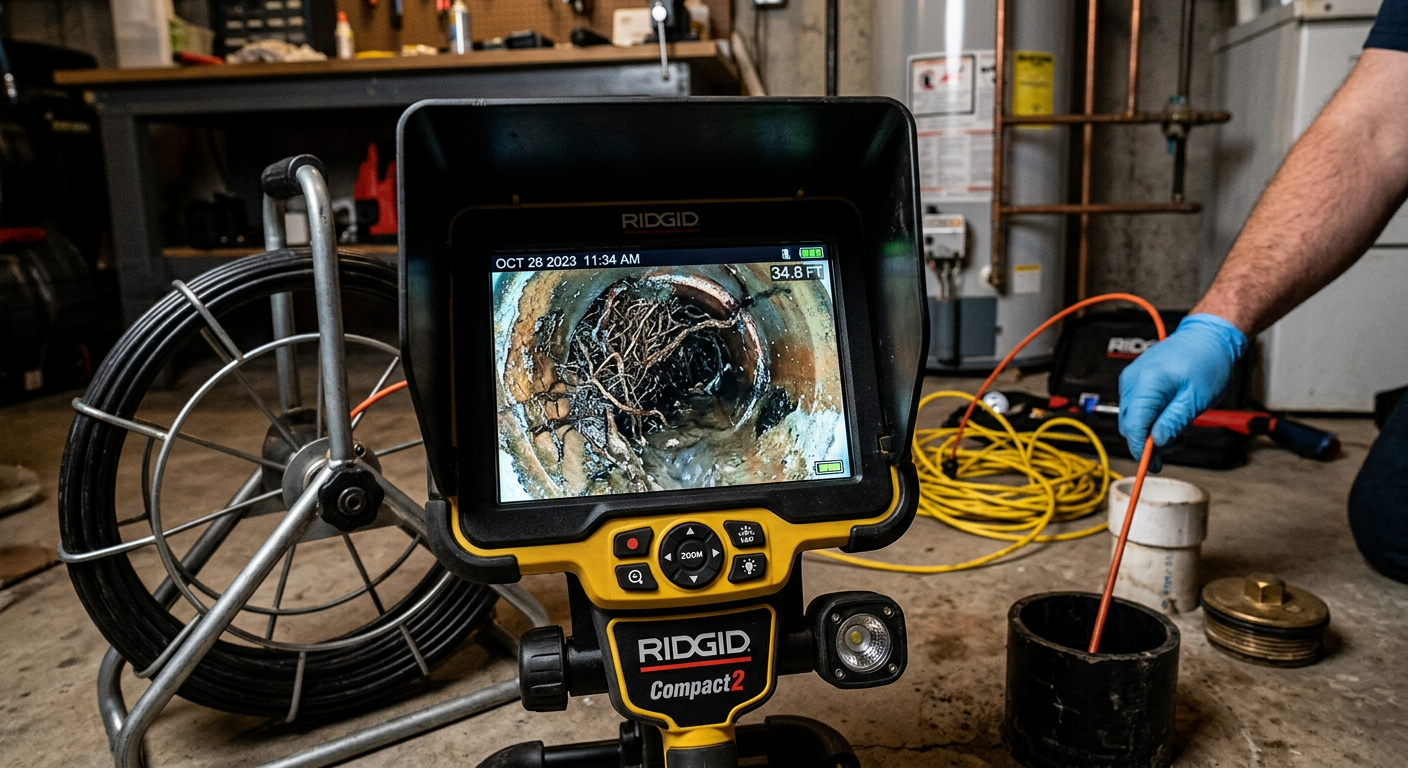
Once we've identified the problem, we select the most effective clearing method. For most clogs, we use professional-grade drain snakes or augers that can break through or retrieve blockages without damaging your pipes. For more stubborn or extensive blockages, especially in main sewer lines, we employ hydro-jetting technology. This process uses high-pressure water streams to thoroughly scour the inside of your pipes, removing not just the immediate clog but also the buildup clinging to pipe walls that could cause future problems.
Our team takes care to match the clearing method to your specific pipe material and condition. Longmont homes built in different eras have different plumbing systems—older homes may have cast iron or galvanized steel that requires gentler handling, while newer homes typically have PVC that can withstand more aggressive cleaning. After clearing the blockage, we can run the camera through again to confirm the line is completely clear and check for any underlying issues like cracks, misaligned joints, or root intrusion points that might need attention. We also provide honest recommendations about whether repairs or replacements might be needed to prevent recurring problems, giving you the information you need to make informed decisions about your home's plumbing system.
Get Fast, Professional Help for Your Backed Up Drain
A backed-up drain won't fix itself, and waiting only increases the risk of water damage, health hazards, and more expensive repairs. Our team at Mayer Plumbing has been serving Longmont homeowners with fast, reliable drain and sewer services, and we're ready to help you resolve your drainage emergency. Call (303) 532-7597 or visit us online to get started.



