

DIY Plumbing vs Hiring a Professional in Longmont: What Costs More?

In This Article
You're standing in your kitchen, watching water drip from under the sink, and wondering if this is something you can fix yourself. After all, how hard can plumbing really be? With a quick trip to the hardware store and a few YouTube videos, you could save the cost of a service call. But before you grab your wrench, let's talk about what DIY plumbing actually costs compared to hiring a professional plumber in Longmont, because the answer isn't always what homeowners expect.
The True Cost of DIY Plumbing Repairs
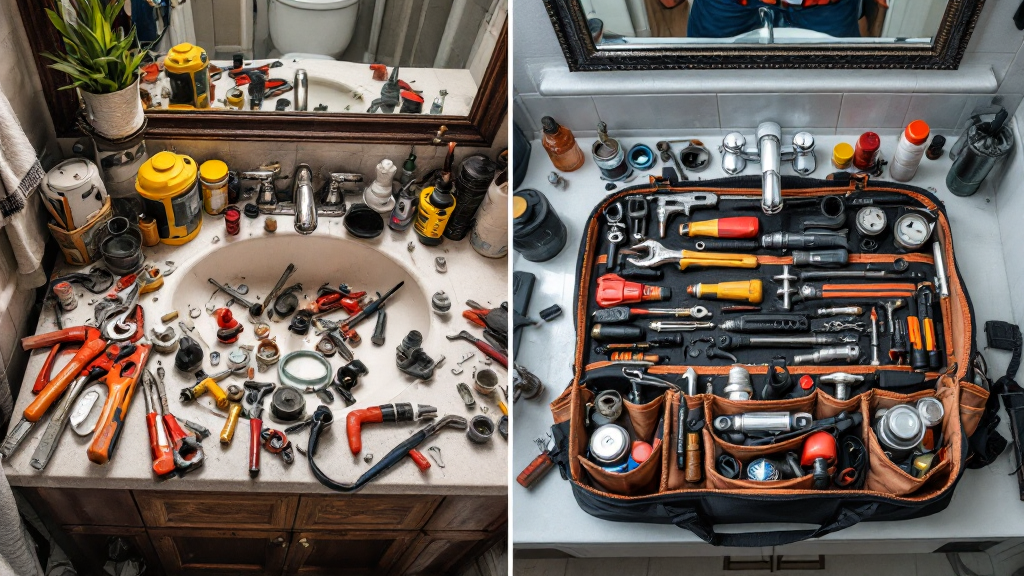
When most homeowners calculate DIY costs, they think about the price of parts and maybe a new tool or two. A replacement faucet cartridge might cost $15, a wax ring for a toilet $5, or a basic drain snake $20. These numbers look appealing compared to a typical service call that starts around $100 to $150 for most plumbing companies in Longmont, CO. But this comparison misses several hidden costs that can quickly turn a budget-friendly project into an expensive mistake.
First, there's your time. A simple faucet replacement that takes a professional 30 minutes might consume your entire Saturday afternoon as you make multiple trips to the hardware store, watch tutorial videos, and troubleshoot unexpected complications. Then there's the cost of tools you'll use once and never again. That basin wrench, pipe cutter, or specialized socket set adds up. More importantly, there's the risk factor. According to insurance industry data, water damage claims average between $5,000 and $10,000, and many of these stem from DIY repairs that seemed simple at first. A stripped valve, an improperly sealed connection, or a crack you didn't notice can turn into thousands of dollars in damage to floors, cabinets, and drywall.
When DIY Plumbing Makes Sense
To be fair, not every plumbing task requires professional help. Some jobs are genuinely straightforward and carry minimal risk if done incorrectly. Replacing a showerhead, for instance, is usually as simple as unscrewing the old one and threading on the new one with some plumber's tape. The same goes for swapping out toilet seats, cleaning aerators on faucets, or replacing a fill valve inside a toilet tank. These tasks involve accessible parts, no soldering or pipe cutting, and limited potential for water damage if something goes wrong.
Unclogging a simple drain blockage can also be a reasonable DIY project, provided you use the right approach. A basic plunger or a manual drain snake can handle hair clogs in bathroom sinks and tubs without risk. However, this is where homeowners need to exercise judgment. If you've plunged repeatedly without success, or if multiple drains are backing up simultaneously, you're likely dealing with a main line issue that requires professional equipment and expertise. Chemical drain cleaners, despite their popularity, can actually damage older pipes and create hazardous conditions. We've responded to several calls in Longmont where homeowners created dangerous chemical reactions or corroded their pipes trying to dissolve stubborn clogs.
The DIY-Friendly Projects
- Replacing showerheads and faucet aerators
- Installing new toilet seats
- Replacing toilet flappers and fill valves
- Using a plunger on simple sink or toilet clogs
- Tightening visible pipe connections with adjustable wrenches
When DIY Becomes Expensive
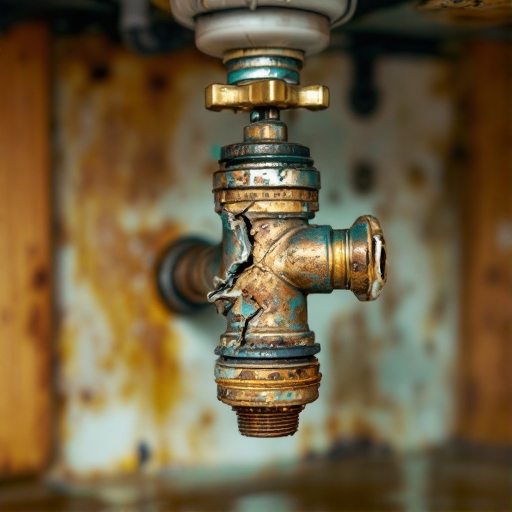
The problems start when homeowners tackle projects that involve shutoff valves, supply lines, or anything behind walls. A leaking shut-off valve under a sink seems like a simple fix until you discover that the valve is corroded onto the pipe and breaks when you try to turn it. Now you need to shut off water to the entire house and replace a section of pipe, which requires soldering skills and the right tools. What started as a $10 repair has become an emergency situation with water you can't turn off.
Water heater repairs represent another category where DIY attempts frequently backfire. Homeowners see a dripping pressure relief valve or a small leak at a heating element and think they can replace the part. But water heaters involve both water connections and energy sources, whether gas or electric. Improper installation can lead to gas leaks, electrical hazards, or catastrophic tank failures. In Boulder County, we've seen DIY water heater installations that violated code requirements, voided manufacturer warranties, and created liability issues that complicated home sales. A professional water heater installation costs between $800 and $2,500 depending on the type, but the cost of flooding your basement or creating a carbon monoxide hazard is immeasurably higher.
Pipe repairs and repiping projects also fall firmly in the professional category. Longmont's housing stock includes homes built in different eras with various pipe materials including galvanized steel, copper, and PEX. Connecting different metals incorrectly causes galvanic corrosion. Improper soldering creates weak joints that fail under pressure. And cutting into walls without knowing what's behind them can damage electrical wiring or structural components. The $150 you save by not calling a plumber can easily become $3,000 in drywall repair, mold remediation, and proper pipe replacement after a failed DIY attempt.
The Real Cost Comparison
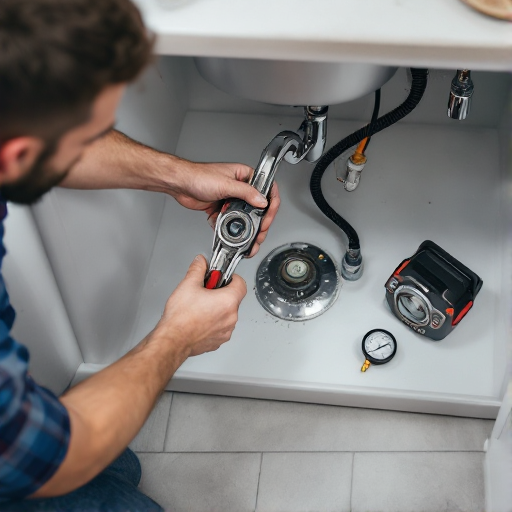
Let's look at specific scenarios with realistic numbers. Suppose you have a leaking shut-off valve under your bathroom sink. The DIY approach costs about $15 for a new valve, but you need a basin wrench ($25) and might spend three hours on the project. If the valve breaks during removal, you're looking at an emergency call with after-hours rates, plus potential water damage to your vanity cabinet. Total potential cost: $500 to $1,500. The professional approach costs $125 to $200 for a service call and valve replacement, completed in under an hour with a warranty on the work.
For a more complex example, consider a running toilet that needs a new fill valve and flapper. The parts cost $30, and this is generally a manageable DIY project. But if you discover that the tank-to-bowl bolts are corroded and break during the repair, you now need to remove and reseat the entire toilet with a new wax ring. If you don't seat it properly, you'll have a slow leak that damages your subfloor over months before you notice. Subfloor replacement can cost $1,000 to $3,000. A professional handles the entire repair, including unexpected complications, for $150 to $250.
The pattern becomes clear: DIY makes sense when the project is truly simple and the failure mode is obvious and contained. But when repairs involve shut-off valves, hidden pipes, gas lines, or water heaters, the risk-to-reward ratio shifts dramatically in favor of professional service. Our team responds to DIY-gone-wrong calls regularly throughout Longmont, and the repair bills are consistently higher than if the homeowner had called us first.
When It's Worth Calling a Professional
Beyond the financial calculation, there are situations where professional expertise provides value that can't be measured in immediate dollars. A licensed plumber doesn't just fix the visible problem; we diagnose underlying issues that homeowners miss. That slow drain might be a symptom of a venting problem. That leaking faucet might indicate high water pressure that's stressing all your fixtures. The running toilet might be caused by a municipal water quality issue affecting the fill valve.
Professional plumbers also bring proper tools, including cameras for inspecting drain lines, pressure testing equipment, and leak detection technology that pinpoints problems without destructive exploratory work. We know local code requirements in Longmont and Boulder County, which matters for permits, inspections, and home sales. Our work comes with warranties that protect you if something fails, unlike DIY repairs where you bear all the risk.
Time is another factor worth considering. Most homeowners underestimate how long plumbing repairs take, especially when complications arise. The weekend you planned to spend with family becomes a frustrating battle with corroded pipes and multiple hardware store trips. A professional handles the same work in a fraction of the time, and you can use your weekend for things you actually enjoy. For many Longmont homeowners, that time value alone justifies the service call cost.
Finally, there's peace of mind. When you hire a licensed, insured plumber, you know the work is done correctly and you're protected if something goes wrong. You're not lying awake wondering if that connection will hold or if you've created a slow leak inside your wall. For major systems like water heaters, proper installation protects your home's value and ensures safe operation for years to come.
Make the Right Call for Your Longmont Home
The question isn't really whether DIY or professional plumbing costs more in absolute terms. It's about understanding which projects match your skill level and which ones carry risks that outweigh potential savings. If you're unsure whether a repair is within your capabilities, that uncertainty itself is a sign you should call for professional help. Our team at Mayer Plumbing provides honest assessments and can often handle repairs the same day, protecting your home and your budget. Call (303) 532-7597 or visit us online to get started.



