

7 Warning Signs Your Water Heater Is About to Fail in Longmont

In This Article
Your water heater is one of those appliances you don't think about until something goes wrong. But when it fails unexpectedly, you're facing more than just cold showers. A failing water heater can cause significant water damage to your Longmont home, lead to costly emergency repairs, and leave your family without hot water for days. The good news is that most water heaters give clear warning signs before they fail completely. Recognizing these signs early gives you time to plan for a replacement or repair on your schedule, not during a crisis. Here are seven critical warning signs every Longmont homeowner should watch for.
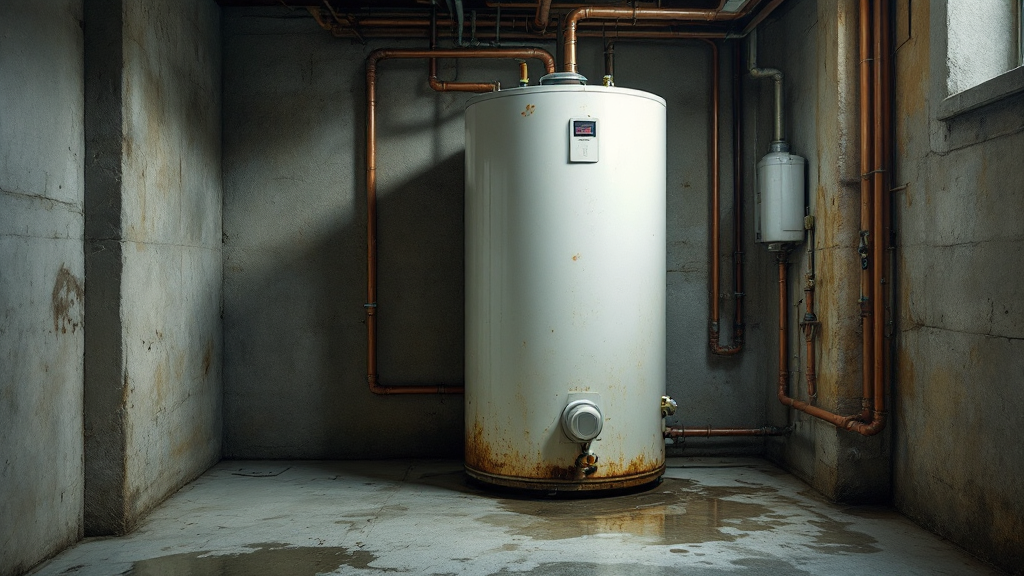
Rust-Colored or Discolored Water
When you turn on your hot water tap and notice rusty, brown, or yellow-tinted water, your water heater is likely corroding from the inside. This discoloration happens when the anode rod, a sacrificial component designed to protect the tank from rust, has deteriorated completely. Once the anode rod fails, the steel tank itself begins to corrode. In Longmont, where we have moderately hard water with higher mineral content, this corrosion process can happen faster than in areas with softer water.
To determine if the problem is your water heater or your pipes, run cold water from the same tap. If only the hot water is discolored, the issue is definitely your water heater. Once rust appears in your hot water, the tank has already begun deteriorating, and replacement is usually the only long-term solution. Some homeowners try to flush the tank, but if rust is present, the damage is already done. The tank will continue corroding until it eventually leaks or fails completely.
Water Pooling Around the Tank Base
Finding water around your water heater is never a good sign. Even small amounts of moisture or dampness around the base of the tank indicate a problem that will only get worse. Leaks can originate from several sources: loose pipe connections, a faulty temperature and pressure relief valve, or cracks in the tank itself. While connection leaks can often be repaired, cracks in the tank mean replacement is your only option.
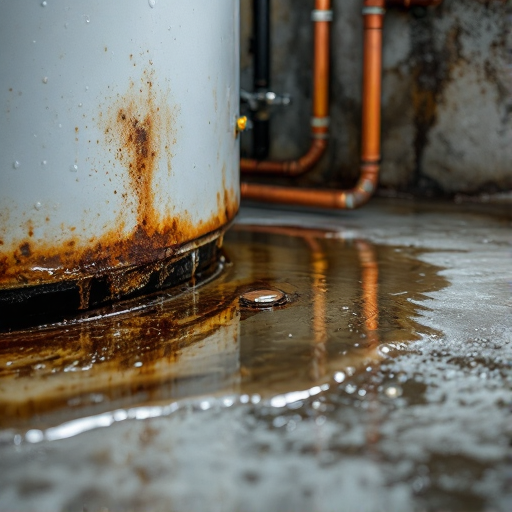
Before assuming the worst, inspect carefully. Water may be condensation from a nearby pipe or a leaking connection that can be tightened. However, if the tank itself is leaking, you'll typically see water seeping from the base or along the side. Tank leaks happen because the metal expands and contracts with heating cycles over years of use, eventually creating microscopic cracks that grow over time. In Boulder County's climate, where temperature fluctuations are common, this expansion and contraction can be particularly hard on water heater tanks. If you notice any pooling water, call a professional immediately to assess the source before minor moisture becomes a major flood.
Rumbling, Popping, or Banging Noises
A water heater should operate relatively quietly. If yours sounds like it's making popcorn or rumbling like a freight train, sediment buildup is likely the culprit. Longmont's water contains dissolved minerals like calcium and magnesium that settle to the bottom of your tank over time. As this sediment layer thickens, it creates a barrier between the heating element and the water. The heating element has to work harder, and water trapped beneath the sediment layer boils and pops, creating those disturbing noises.
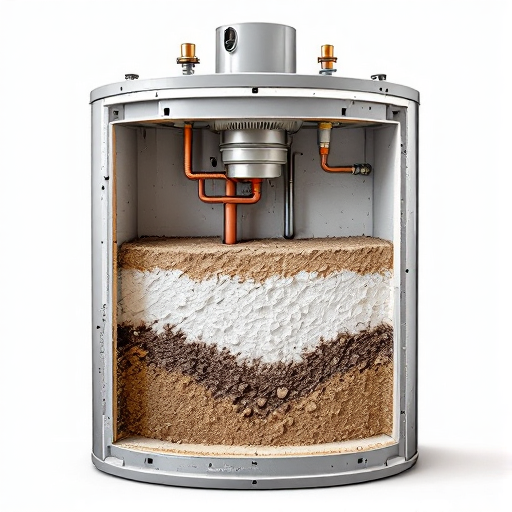
Beyond being annoying, sediment buildup reduces your water heater's efficiency and accelerates wear on the tank. The extra heat concentrated in one area can cause the metal to become brittle and eventually crack. Regular flushing can prevent sediment accumulation, but if you're already hearing loud noises, significant buildup has occurred. Our team can flush your tank to remove sediment, but if the noises persist after flushing, the damage may be permanent. In older tanks, the sediment may have already caused enough damage that replacement is the more cost-effective option.
Inconsistent Water Temperature and Inadequate Hot Water
If your morning shower starts hot but turns lukewarm halfway through, or your family is running out of hot water much faster than usual, your water heater is struggling. Several issues can cause inconsistent water temperatures. A failing heating element is the most common culprit in electric water heaters, while a malfunctioning burner or thermocouple may be to blame in gas models. A buildup of sediment can also reduce the effective capacity of your tank, leaving less room for heated water.
Thermostat problems can cause temperature fluctuations as well. If your thermostat is failing or incorrectly calibrated, your water may be heated to inconsistent temperatures. Sometimes these issues can be repaired by replacing a heating element or thermostat, but in older units, multiple components often begin failing around the same time. If your water heater is over eight years old and experiencing temperature problems, it's worth having a professional assess whether repair or replacement makes more financial sense. Continuing to operate an inefficient water heater costs you money every month in wasted energy.
Age Over 8 to 12 Years
Age alone is one of the most reliable predictors of water heater failure. Most conventional tank water heaters last between 8 and 12 years, depending on water quality, maintenance history, and usage patterns. In Longmont, where our water has moderate hardness, water heaters often trend toward the lower end of that range without regular maintenance. You can find your water heater's age by looking at the serial number on the manufacturer's label. The first letter usually represents the month, and the following two digits represent the year of manufacture.
Even if your older water heater seems to be working fine, it's living on borrowed time. The risk of unexpected failure increases significantly after the 10-year mark. Proactive replacement allows you to choose an efficient model, take advantage of available rebates and financing, and schedule the installation at your convenience. Waiting until failure means dealing with emergency pricing, limited equipment availability, and the stress of having no hot water. If your water heater is approaching or past its expected lifespan, start planning for replacement even if you haven't noticed other warning signs yet.
When It's Time to Replace Instead of Repair
Deciding between repair and replacement isn't always straightforward, but a few guidelines can help. If your water heater is under six years old and the repair is minor like replacing a heating element or thermostat, repair usually makes sense. However, if your unit is over eight years old and needs significant repairs, replacement is typically the smarter investment. Consider the 50 percent rule: if the repair costs more than 50 percent of a new water heater's price and your unit is past the halfway point of its expected lifespan, replacement is usually the better value.
Multiple warning signs appearing together are a strong indicator that replacement is necessary. If you're experiencing rusty water, leaks, strange noises, and inconsistent temperatures all at once, your water heater is failing systemically. Replacing one component won't solve the underlying problem that your tank has simply reached the end of its useful life. Modern water heaters are also significantly more efficient than models from 10 or 15 years ago. A new energy-efficient or tankless water heater can reduce your utility bills enough to offset much of the replacement cost over time. Our team can help you evaluate the true cost of repair versus replacement, factoring in energy savings, reliability, and the remaining lifespan of your current unit.
How a Professional Inspection Helps
Many water heater problems aren't obvious to homeowners until they become serious. A professional inspection can identify issues in their early stages, giving you time to address them before they lead to failure. During an inspection, we check the anode rod condition, test the temperature and pressure relief valve, examine all connections for leaks, measure sediment buildup, test thermostat accuracy, and assess the overall condition of the tank and components.
We also evaluate factors specific to your situation. How hard is your water? Is your tank properly sized for your household? Is it installed in a location where a leak would cause significant damage? These factors influence both how quickly your water heater will deteriorate and how urgently you should consider replacement. An inspection typically takes less than an hour and can save you thousands in water damage and emergency repairs. For Longmont homeowners with water heaters over five years old, we recommend annual inspections. For newer units, an inspection every two years is usually sufficient. Think of it like maintaining your car: regular check-ups cost far less than dealing with a breakdown on the highway.
Get Your Water Heater Inspected Before It's Too Late
Don't wait until you're dealing with cold showers or a flooded basement. If you've noticed any of these warning signs, or if your water heater is approaching the end of its expected lifespan, schedule an inspection with our team at Mayer Plumbing. We'll give you an honest assessment and help you make the best decision for your home and budget. Call (303) 532-7597 or visit us online to get started.



